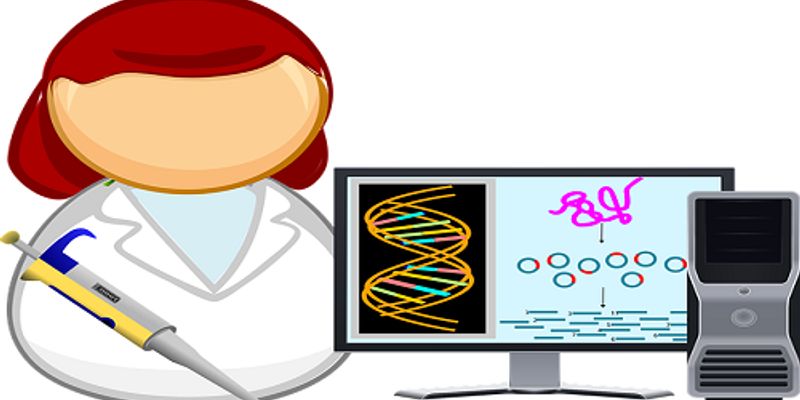
Molecular Diagnostics: Molecular diagnostic tests detect specific sequences in DNA or RNA that may or may not be associated with disease, including single nucleotide polymorphism (SNP), deletions, rearrangements, insertions and others. By analysing the specifics of the patient and their disease, molecular diagnostics offers the prospect of personalized medicine. These tests are useful in a range of medical specialisms, including infectious disease, oncology, human leucocyte antigen typing, coagulation, and pharmacogenomics-the genetic prediction of which drugs will work best.
Sanger sequencing and polymerase chain reaction (PCR) methods have been the standard molecular methods in clinical diagnostics for decades. Next-Generation Sequencing (NGS) technology r...
IQCP represents a new approach to quality control for clinical laboratories. Beginning in 2016 clinical laboratories were tasked with developing individualized quality control plans for...
Core or central laboratory are facing several challenges. First, the management and operations of a successful modern laboratory is a real complex exercise, with multiple pre- and post-analyt...
Today there are about 7B mobile phone worldwide and about 50,000 mobile health applications actively changing the landscape of how healthcare will be delivered in the next years. While numero...
In the past several years, there has been an increase in drug testing associated with chronic pain. Immunoassays are the most common method for initial screening which can test for a specific...
Are there DNA targets in your lab that are difficult to genotype using standard PCR or sequencing?Do you ever need to genotype a single sample, and you don’t want to wait to batch sam...
With increasing emphasis on effective pain management in clinical care, there has been a significant increase in the number of opioid prescriptions in the past decade. While these drugs...
Vitamin D3 supplementation can effectively remedy the current epidemic of vitamin D deficiency, especially within the African-American population and the elderly of any ethnicity. Racial disp...
Vitamin D insufficiency and deficiency are prevalent worldwide, and pregnant women and infants are at highest risk for having deficiency and related consequences. Epidemiologic studies have s...
Most of the tests performed for patient care use automated colorimetric and immunoassay methods in the clinical laboratories. Clinical labs are regulated by CLIA and are routinely inspected b...
Whole genome and exome sequencing is being widely used to identify disease-causing variants in patients with hereditary and rare diseases. Discovering the true disease-causing variants often...
Chronic pain is a major problem in most countries. Specialized pain management physicians often see and treat patients with chronic pain, and one type of therapy that may be prescribed is an...
DATE: November 1, 2016
TIME: 7:00am PT, 10:00am ET
Clinical laboratories are under increasing pressure from three sources: reimbursement, regulatory, and resource. Reimburseme...
DATE: October 11, 2016
TIME: 7:00am PT, 10:00am ET
Monoclonal antibodies (mAbs) have emerged as important therapeutics for the treatment of life-threatening diseases. The succ...
Intra-tumor heterogeneity is a major obstacle to cancer treatment. Existing single-cell studies of intra-tumor heterogeneity have largely focused on DNA mutations; functional heterogeneity is...
Circulating Tumor Cells (CTCs) have been extensively explored as circulating biomarkers in various cancers. Due to their rarity, heterogeneity and stem cell-like properties, detecting and pro...
FTIR spectroscopic imaging is an emerging tool for label-free, non-destructive characterization of tissues. The pathological annotation of tissue can be performed in an automated and objectiv...
The talk will first report on a new patented method of counting CTCs based on the metabolism of tumor cells, that favors acidification of their near environment. In order to maintain the acid...
DATE: October 4, 2016
TIME: 8:00am PT, 11:00am ET
Extracting robust expression data from clinical samples represents a unique opportunity to find actionable biomarkers. But it...
Multi-Drug Resistant Organisms (MDROs) are becoming a bigger and bigger concern throughout the world. Antibiotic resistance forms and spreads faster than pharmaceutical companies have been ab...
ME/CFS is a debilitating disease with a controversial history and multiple names. The Institute of Medicine recently recommended renaming the disease “Systemic Exertion Intoleranc...
The Infectious Diseases Pathology Branch of the Centers for Disease Control and Prevention (CDC) routinely receives autopsy and biopsy tissues for diagnostic evaluation. These tissues are typ...
The field of infectious disease diagnostics is ever changing with both newly identified infections such as SARS, Ebola, and Zika virus as well as yearly epidemics and potential for pandemic w...
In an era of healthcare reform and evidenced-based medicine, it is important to use the most clinically relevant and cost effective methods in all aspects of microbiology. This session will c...
Sanger sequencing and polymerase chain reaction (PCR) methods have been the standard molecular methods in clinical diagnostics for decades. Next-Generation Sequencing (NGS) technology r...
IQCP represents a new approach to quality control for clinical laboratories. Beginning in 2016 clinical laboratories were tasked with developing individualized quality control plans for...
Core or central laboratory are facing several challenges. First, the management and operations of a successful modern laboratory is a real complex exercise, with multiple pre- and post-analyt...
Today there are about 7B mobile phone worldwide and about 50,000 mobile health applications actively changing the landscape of how healthcare will be delivered in the next years. While numero...
In the past several years, there has been an increase in drug testing associated with chronic pain. Immunoassays are the most common method for initial screening which can test for a specific...
Are there DNA targets in your lab that are difficult to genotype using standard PCR or sequencing?Do you ever need to genotype a single sample, and you don’t want to wait to batch sam...
With increasing emphasis on effective pain management in clinical care, there has been a significant increase in the number of opioid prescriptions in the past decade. While these drugs...
Vitamin D3 supplementation can effectively remedy the current epidemic of vitamin D deficiency, especially within the African-American population and the elderly of any ethnicity. Racial disp...
Vitamin D insufficiency and deficiency are prevalent worldwide, and pregnant women and infants are at highest risk for having deficiency and related consequences. Epidemiologic studies have s...
Most of the tests performed for patient care use automated colorimetric and immunoassay methods in the clinical laboratories. Clinical labs are regulated by CLIA and are routinely inspected b...
Whole genome and exome sequencing is being widely used to identify disease-causing variants in patients with hereditary and rare diseases. Discovering the true disease-causing variants often...
Chronic pain is a major problem in most countries. Specialized pain management physicians often see and treat patients with chronic pain, and one type of therapy that may be prescribed is an...
DATE: November 1, 2016
TIME: 7:00am PT, 10:00am ET
Clinical laboratories are under increasing pressure from three sources: reimbursement, regulatory, and resource. Reimburseme...
DATE: October 11, 2016
TIME: 7:00am PT, 10:00am ET
Monoclonal antibodies (mAbs) have emerged as important therapeutics for the treatment of life-threatening diseases. The succ...
Intra-tumor heterogeneity is a major obstacle to cancer treatment. Existing single-cell studies of intra-tumor heterogeneity have largely focused on DNA mutations; functional heterogeneity is...
Circulating Tumor Cells (CTCs) have been extensively explored as circulating biomarkers in various cancers. Due to their rarity, heterogeneity and stem cell-like properties, detecting and pro...
FTIR spectroscopic imaging is an emerging tool for label-free, non-destructive characterization of tissues. The pathological annotation of tissue can be performed in an automated and objectiv...
The talk will first report on a new patented method of counting CTCs based on the metabolism of tumor cells, that favors acidification of their near environment. In order to maintain the acid...
DATE: October 4, 2016
TIME: 8:00am PT, 11:00am ET
Extracting robust expression data from clinical samples represents a unique opportunity to find actionable biomarkers. But it...
Multi-Drug Resistant Organisms (MDROs) are becoming a bigger and bigger concern throughout the world. Antibiotic resistance forms and spreads faster than pharmaceutical companies have been ab...
ME/CFS is a debilitating disease with a controversial history and multiple names. The Institute of Medicine recently recommended renaming the disease “Systemic Exertion Intoleranc...
The Infectious Diseases Pathology Branch of the Centers for Disease Control and Prevention (CDC) routinely receives autopsy and biopsy tissues for diagnostic evaluation. These tissues are typ...
The field of infectious disease diagnostics is ever changing with both newly identified infections such as SARS, Ebola, and Zika virus as well as yearly epidemics and potential for pandemic w...
In an era of healthcare reform and evidenced-based medicine, it is important to use the most clinically relevant and cost effective methods in all aspects of microbiology. This session will c...
 Follow