 Follow
Physiology
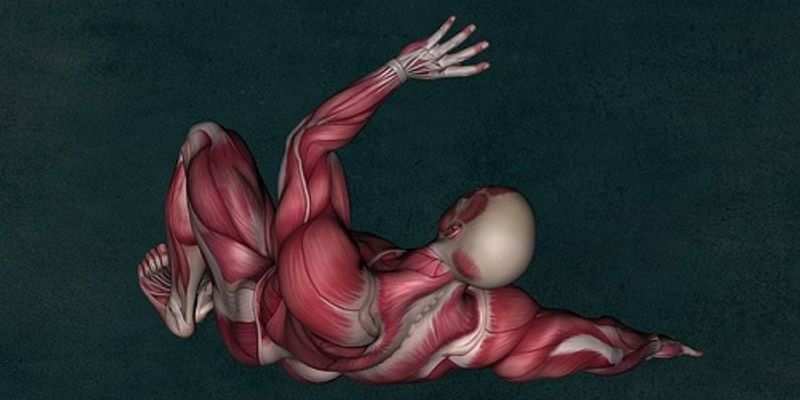
Physiology is the study of how organisms function. Physiology can be divided into many sub-fields, including plants, animals, bacteria, and more, but most early physiology records focused on how human systems work. Central to an understanding of physiological functioning is its integrated nature with other disciplines such as chemistry and physics, coordinated homeostatic control mechanisms, and continuous communication between cells.

MAR 11, 2020 | 10:30 AM

The neural basis of simple rhythmic and reflexive behaviors such as swimming and gill withdrawal have been successfully studied in nudibranchs and other gastropod molluscs because the brains...
MAR 11, 2020 | 7:30 AM

Brain function is remarkably reliable despite the imprecise performance of neurons, and the continuous perturbations caused by aging, disease or injury. How does the brain succeed in produci...
MAR 11, 2020 | 7:30 AM

Autosomal dominant missense mutations that hyperactivate the LRRK2 protein kinase are a common cause of inherited Parkinson’s disease and therapeutic efficacy of LRRK2 inhibitors is be...
MAR 11, 2020 | 6:00 AM

The locomotion of humans and other animals requires a seamless flow of information from sensory modalities all the way to the motor periphery. As such, locomotion is an excellent system for...
MAR 05, 2020 | 9:00 AM

Recommendations for key factors in testing and diagnosis of H. pylori infections to include information on appropriate patients for H.pylori testing, current testing options, post treatment...
FEB 26, 2020 | 9:00 AM
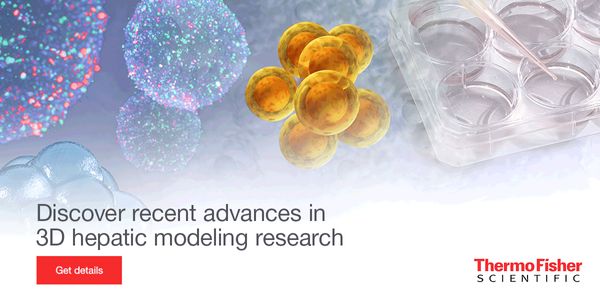
DATE: February 26, 2020 TIME: 9:00am PST 3D cell culture and analysis and the study of organoids and spheroids are becoming more prevalent as a research method in publications as traditional...
FEB 19, 2020 | 11:00 AM
DATE: February 19, 2020TIME: 11:00am PST, 2:00pm EST...
FEB 05, 2020 | 8:00 AM
C.E. CREDITS

Learn how new hemophilia and anticoagulant therapies impact coagulation assays and clinical decisions in our educational session....
JAN 14, 2020 | 9:00 AM

Fecal elastase-1 – a biomarker for pancreatic exocrine insufficiency(EPI) continues to gain traction as an ideal biomarker for assessing EPI. This presentation will include a review of...
JAN 01, 2020 | 6:00 AM

The liver plays a critical role in the metabolism and clearance of more than 70% of marketed drugs. Furthermore, toxicity to the liver is a major reason for preclinical and clinical drug fai...