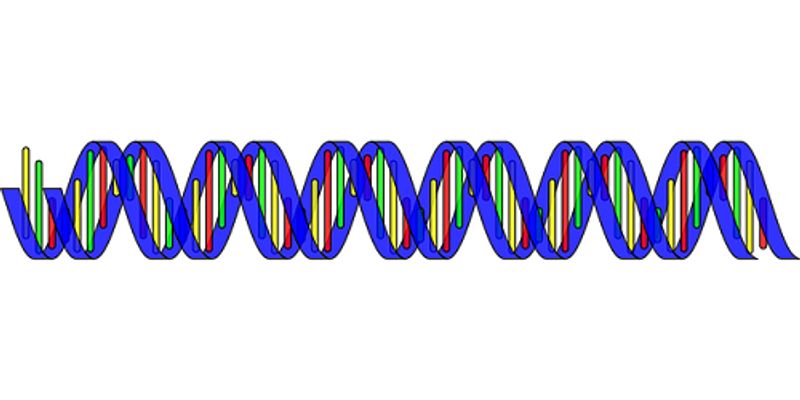
RNA, short for Ribonucleic Acid, is a molecule found in the human body that is able to form polymers and secondary structures, and can be used for various activities including decoding DNA and transferring the information to the Ribosome (tRNA), incorporation into the Ribosome (rRNA), as well as many regulatory activities concerning the expression of genes.
DATE: June 26, 2019TIME: 9:00am PDT, 12:00pm EDT An excessive number of software solutions are available to help manage your clinical, biobank, or biorepository sample inform...
DATE: May 21, 2019TIMEL 7:00am PT, 10:00am ET Human T cells are central effectors of immunity and cancer immunotherapy. CRISPR-based functional studies in T cells could prioriti...
DATE: May 15, 2019TIME: 9:00am PDTHepatitis B infections remain a significant global healthcare burden resulting in 887,000 deaths in 2015. Clinical laboratories can have a measurable i...
Screening to identify all known viruses and other pathogenic microorganisms including bacteria, fungus and parasites in human tumor tissues will provide a more comprehensive understanding of...
Speculations that some form DNA alteration might be utilized by the brain date to the 1960s [1] wherein hypotheses for genomic alterations of germline DNA were proposed for immunoglobulins an...
Real-time PCR, or quantitative qPCR, is a commonly used molecular biology lab technique to determine the actual amount of PCR product at a given cycle. For quantitative reverse transcription...
Recent technological advances as well as longitudinal monitoring not only have the potential to improve the treatment of disease (Precision Medicine) but also empower people to stay healthy (...
Next-generation transcriptome and miRNome sequencing are routinely performed on traditional cell or tissue samples, as well as more difficult samples such as FFPE samples and biofluids. Regar...
Genetic drivers of cancer can be dysregulated through epigenetic modifications of DNA. Although the critical role of DNA 5-methylcytosine (5mC) in the regulation of transcription is recognize...
Over the past 25 years many advances in techniques have been incorporated into infectious disease research. From genetically modified animals to advances in basic techniques that improve res...
Tuberculosis has killed more than one billion people in the last 200 years. It is the oldest and the deadliest human pathogen, recently surpassing HIV. Its adaptation to host and drug pressur...
Recent evidence indicates that the immunoglobulin (IG) gene loci reside within the most complex and variable regions of the human genome, characterized by elevated levels of single nucleotide...
Point-of-care testing (POCT) is diagnostic testing at the time and place of patient care in a physician’s office, an ambulance, a mobile clinic, at home or in hospital. Rapid POC testi...
“Emerging infections” are those that appear suddenly or are rapidly increasing in incidence or geographic range (e.g., HIV/AIDS, Ebola, SARS, Middle East Respiratory Syndrome [MER...
The Ebola virus disease outbreak in West Africa in 2014-2016 was the largest of its kind in history. This was the first outbreak that involved a randomized clinical trial for therapeutics, a...
To reduce the global burden diseases causes by infectious disease, including parasites and bacteria, scientists need better information about mechanisms of virulence, immune evasion, and drug...
Despite over 60+ years of research, the etiology of bacterial vaginosis (BV), the most common vaginal infection, remains controversial. Epidemiological data strongly suggest that BV is acquir...
Determining which patients would derive clinical benefit from immunotherapy is a compelling clinical question. Biomarkers have been shown to predict therapy outcome in various types of cancer...
Rapid, inexpensive, and sensitive nucleic acid detection may aid point-of-care pathogen detection, genotyping, and disease monitoring. We combine the RNA- targeting CRISPR effector Cas13 with...
DATE: April 9, 2019TIME: 9:00 AM PDTWe will provide a general introduction to the Single-Cell Western Technology (SCW) and then present data from 2 ongoing projects from the Col...
Late-onset Alzheimer’s disease (LOAD) is the most common form of dementia worldwide. To date, animal models of Alzheimer’s have focused on rare familial mutations, due to a lack o...
DATE: March 5, 2019TIME: 09:00am PST, 12:00pm EST MicroRNA(miRNA) are short non-coding single stranded RNA molecules that regulate gene expression at the post tran...
NTRK fusions are rare but important recent biomarkers linked to response to new TRK inhibitors. Comprehensive genomic profiling on all solid tumors permits detection of rare genomic events an...
DATE: June 26, 2019TIME: 9:00am PDT, 12:00pm EDT An excessive number of software solutions are available to help manage your clinical, biobank, or biorepository sample inform...
DATE: May 21, 2019TIMEL 7:00am PT, 10:00am ET Human T cells are central effectors of immunity and cancer immunotherapy. CRISPR-based functional studies in T cells could prioriti...
DATE: May 15, 2019TIME: 9:00am PDTHepatitis B infections remain a significant global healthcare burden resulting in 887,000 deaths in 2015. Clinical laboratories can have a measurable i...
Screening to identify all known viruses and other pathogenic microorganisms including bacteria, fungus and parasites in human tumor tissues will provide a more comprehensive understanding of...
Speculations that some form DNA alteration might be utilized by the brain date to the 1960s [1] wherein hypotheses for genomic alterations of germline DNA were proposed for immunoglobulins an...
Real-time PCR, or quantitative qPCR, is a commonly used molecular biology lab technique to determine the actual amount of PCR product at a given cycle. For quantitative reverse transcription...
Recent technological advances as well as longitudinal monitoring not only have the potential to improve the treatment of disease (Precision Medicine) but also empower people to stay healthy (...
Next-generation transcriptome and miRNome sequencing are routinely performed on traditional cell or tissue samples, as well as more difficult samples such as FFPE samples and biofluids. Regar...
Genetic drivers of cancer can be dysregulated through epigenetic modifications of DNA. Although the critical role of DNA 5-methylcytosine (5mC) in the regulation of transcription is recognize...
Over the past 25 years many advances in techniques have been incorporated into infectious disease research. From genetically modified animals to advances in basic techniques that improve res...
Tuberculosis has killed more than one billion people in the last 200 years. It is the oldest and the deadliest human pathogen, recently surpassing HIV. Its adaptation to host and drug pressur...
Recent evidence indicates that the immunoglobulin (IG) gene loci reside within the most complex and variable regions of the human genome, characterized by elevated levels of single nucleotide...
Point-of-care testing (POCT) is diagnostic testing at the time and place of patient care in a physician’s office, an ambulance, a mobile clinic, at home or in hospital. Rapid POC testi...
“Emerging infections” are those that appear suddenly or are rapidly increasing in incidence or geographic range (e.g., HIV/AIDS, Ebola, SARS, Middle East Respiratory Syndrome [MER...
The Ebola virus disease outbreak in West Africa in 2014-2016 was the largest of its kind in history. This was the first outbreak that involved a randomized clinical trial for therapeutics, a...
To reduce the global burden diseases causes by infectious disease, including parasites and bacteria, scientists need better information about mechanisms of virulence, immune evasion, and drug...
Despite over 60+ years of research, the etiology of bacterial vaginosis (BV), the most common vaginal infection, remains controversial. Epidemiological data strongly suggest that BV is acquir...
Determining which patients would derive clinical benefit from immunotherapy is a compelling clinical question. Biomarkers have been shown to predict therapy outcome in various types of cancer...
Rapid, inexpensive, and sensitive nucleic acid detection may aid point-of-care pathogen detection, genotyping, and disease monitoring. We combine the RNA- targeting CRISPR effector Cas13 with...
DATE: April 9, 2019TIME: 9:00 AM PDTWe will provide a general introduction to the Single-Cell Western Technology (SCW) and then present data from 2 ongoing projects from the Col...
Late-onset Alzheimer’s disease (LOAD) is the most common form of dementia worldwide. To date, animal models of Alzheimer’s have focused on rare familial mutations, due to a lack o...
DATE: March 5, 2019TIME: 09:00am PST, 12:00pm EST MicroRNA(miRNA) are short non-coding single stranded RNA molecules that regulate gene expression at the post tran...
NTRK fusions are rare but important recent biomarkers linked to response to new TRK inhibitors. Comprehensive genomic profiling on all solid tumors permits detection of rare genomic events an...
 Follow