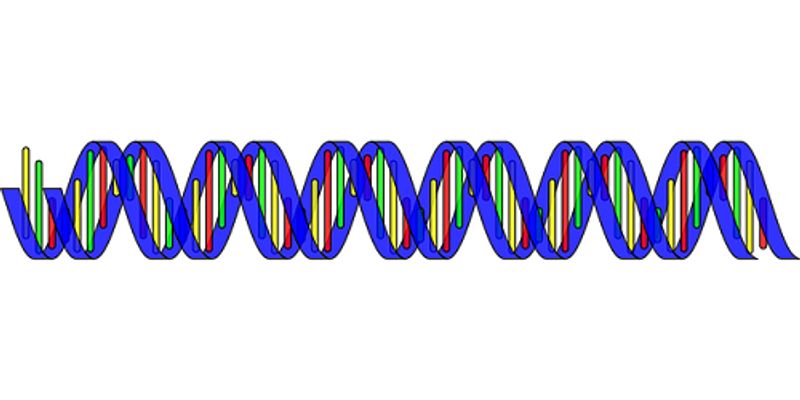
RNA, short for Ribonucleic Acid, is a molecule found in the human body that is able to form polymers and secondary structures, and can be used for various activities including decoding DNA and transferring the information to the Ribosome (tRNA), incorporation into the Ribosome (rRNA), as well as many regulatory activities concerning the expression of genes.

Advanced Cell Diagnostics’ RNAscope products and assay services are utilized widely for tissue-based gene expression analysis in early target validation, preclinical animal efficacy and...
An aptamer (also known as a synthetic antibody) is a stable DNA, RNA, or peptide ligand that binds with high affinity and specificity to targets such as small molecules, peptides, proteins, b...
DATE: February 26, 2019TIME: 9:00am PST, 12:00pm EST In an era of increasingly high-throughput, large-scale biology, with companies, government and non-prof...
DATE: November 28, 2018TIME: 7:00AM PSTSingle-cell genomics enables a deep dive into the mechanisms responsible for health and disease, in areas from cancer biology to neurob...
CRISPR ribonucleoproteins (RNPs) can generate programmable gene edits, however imprecise editing and efficient delivery to human stem cells are key challenges. Here we describe novel biochemi...
The use of human pluripotent stem cells (hPSCs) for in vitro disease-modeling is limited by the lack of robust and efficient protocols for the differentiation of relevant adult cell types. Pr...
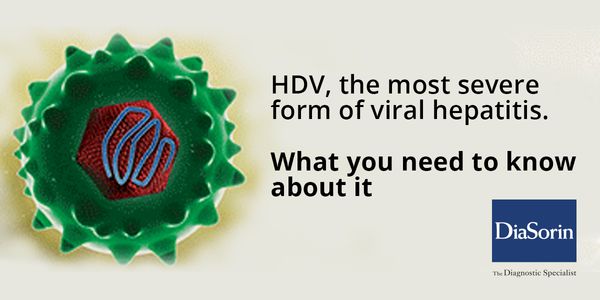
DATE: November 15,2018TIME: 06:00am PST, 09:00am EST, 3:00pm CET Hepatitis D virus (HDV) is a unique RNA virus that requires the hepatitis B surface antigen (HBsAg) to...
DATE: November 13, 2018TIME: 9:00am PST, 12:00pm ESTExtracellular vesicles (EVs) are cell-secreted nanoparticles that play a pivotal role in intercellular communic...
DATE: October 25, 2018TIME: 08:00am PDT, 11:00am EDT While the significance of the microbiome is unprecedented, a thorough study to dissect the role of individual popul...
DATE: October 23, 2018TIME: 10:00am PDT, 1:00pm EDT Next-generation genomic sequencing is transforming what is known about pediatric cancer and how we treat patients. But eve...
As the most common female malignancy, breast cancer is the most likely reason that a woman will die of cancer around the world. Breast cancer mortality has dropped in the U.S. by 35% since 19...
Recent work has identified epigenomic features of distal regulatory elements to be dynamic and defining indicators of cellular specification and transformation. Of particular relevance is our...
Lung cancer is the leading cause of cancer-related mortality worldwide. Large-scale sequencing studies have revealed the complex genomic landscape of NSCLC and genomic differences between lun...
Two projects looking at novel approaches to targeting inflammatory breast cancer will be presented. Inflammatory breast cancer (IBC) is a unique, understudied, and most lethal subtype account...
The oncogenic transcription factor c-MYC (MYC) is deregulated, and often overexpressed, in more than 50% of cancers. MYC deregulation is associated with poor prognosis and aggressive disease,...
In the past two decades a small number of infrequently dividing cells have been proposed as the source of multi-drug resistance during cancer treatment. These cells identified by their expres...

PacBio Sequencing simultaneously provides long sequence reads, high consensus accuracy, minimal sequence bias, and methylation detection. I will highlight new advances and updates on applying...
To date the anatomic extent of tumor (TNM-classification) has been by far the most important factors to predict the prognosis of cancer patients. However, this classification provides limited...
RNA sequencing unlocks the mysteries hidden in the transcriptome. Whether your goal is gene expression analysis, gene fusion analysis, SNP analysis or miRNA expression analysis, achieving hig...
High-throughput screening is widely useful in identifying genes and pathways that drive changes in cell behavior such as cell cycle regulation, metastasis, and drug resistance. Millipor...
In prior work, we have pursued how tumor reactive monoclonal antibody (mAb), together with activators of innate immune cells, like NK cells, can augment antibody dependent cell-mediated cytot...
Molecular analyses of cancer biology have tended to segregate between a focus on nucleic acids – DNA, RNA and their modifications – and a focus on proteins and protein function. P...
Understanding the immune repertoire is an important aspect of immuno-oncology research, which can be used to gather insights into the function and overall status of the immune system. We have...
All forms of life require immune systems to stave off infection from viruses and other pathogens. In bacteria and archaea, clustered regularly interspaced short palindromic repeats (CRISPR) a...
Advanced Cell Diagnostics’ RNAscope products and assay services are utilized widely for tissue-based gene expression analysis in early target validation, preclinical animal efficacy and...
An aptamer (also known as a synthetic antibody) is a stable DNA, RNA, or peptide ligand that binds with high affinity and specificity to targets such as small molecules, peptides, proteins, b...
DATE: February 26, 2019TIME: 9:00am PST, 12:00pm EST In an era of increasingly high-throughput, large-scale biology, with companies, government and non-prof...
DATE: November 28, 2018TIME: 7:00AM PSTSingle-cell genomics enables a deep dive into the mechanisms responsible for health and disease, in areas from cancer biology to neurob...
CRISPR ribonucleoproteins (RNPs) can generate programmable gene edits, however imprecise editing and efficient delivery to human stem cells are key challenges. Here we describe novel biochemi...
The use of human pluripotent stem cells (hPSCs) for in vitro disease-modeling is limited by the lack of robust and efficient protocols for the differentiation of relevant adult cell types. Pr...
DATE: November 15,2018TIME: 06:00am PST, 09:00am EST, 3:00pm CET Hepatitis D virus (HDV) is a unique RNA virus that requires the hepatitis B surface antigen (HBsAg) to...
DATE: November 13, 2018TIME: 9:00am PST, 12:00pm ESTExtracellular vesicles (EVs) are cell-secreted nanoparticles that play a pivotal role in intercellular communic...
DATE: October 25, 2018TIME: 08:00am PDT, 11:00am EDT While the significance of the microbiome is unprecedented, a thorough study to dissect the role of individual popul...
DATE: October 23, 2018TIME: 10:00am PDT, 1:00pm EDT Next-generation genomic sequencing is transforming what is known about pediatric cancer and how we treat patients. But eve...
As the most common female malignancy, breast cancer is the most likely reason that a woman will die of cancer around the world. Breast cancer mortality has dropped in the U.S. by 35% since 19...
Recent work has identified epigenomic features of distal regulatory elements to be dynamic and defining indicators of cellular specification and transformation. Of particular relevance is our...
Lung cancer is the leading cause of cancer-related mortality worldwide. Large-scale sequencing studies have revealed the complex genomic landscape of NSCLC and genomic differences between lun...
Two projects looking at novel approaches to targeting inflammatory breast cancer will be presented. Inflammatory breast cancer (IBC) is a unique, understudied, and most lethal subtype account...
The oncogenic transcription factor c-MYC (MYC) is deregulated, and often overexpressed, in more than 50% of cancers. MYC deregulation is associated with poor prognosis and aggressive disease,...
In the past two decades a small number of infrequently dividing cells have been proposed as the source of multi-drug resistance during cancer treatment. These cells identified by their expres...

PacBio Sequencing simultaneously provides long sequence reads, high consensus accuracy, minimal sequence bias, and methylation detection. I will highlight new advances and updates on applying...
To date the anatomic extent of tumor (TNM-classification) has been by far the most important factors to predict the prognosis of cancer patients. However, this classification provides limited...
RNA sequencing unlocks the mysteries hidden in the transcriptome. Whether your goal is gene expression analysis, gene fusion analysis, SNP analysis or miRNA expression analysis, achieving hig...
High-throughput screening is widely useful in identifying genes and pathways that drive changes in cell behavior such as cell cycle regulation, metastasis, and drug resistance. Millipor...
In prior work, we have pursued how tumor reactive monoclonal antibody (mAb), together with activators of innate immune cells, like NK cells, can augment antibody dependent cell-mediated cytot...
Molecular analyses of cancer biology have tended to segregate between a focus on nucleic acids – DNA, RNA and their modifications – and a focus on proteins and protein function. P...
Understanding the immune repertoire is an important aspect of immuno-oncology research, which can be used to gather insights into the function and overall status of the immune system. We have...
All forms of life require immune systems to stave off infection from viruses and other pathogens. In bacteria and archaea, clustered regularly interspaced short palindromic repeats (CRISPR) a...