 Follow
Disease
Disease: is a disorder of structure or function in a human, animal, or plant, especially one that produces specific signs or symptoms that is not simply a direct result of physical injury.


MAY 23, 2019 | 9:00 AM

DATE: May 23, 2019TIME: 9:00am PDT, 12:00pm EDT Although mesenchymal stem/stromal cells (MSCs) chondrogenic differentiation has been thoroughly investigated...
MAY 22, 2019 | 8:00 AM
DATE: May 22, 2019TIME: 08:00am PDTOmics analysis offers the potential to obtain deep insight into biological processes as well as a rich source of potential biomarkers. While the consu...
MAY 21, 2019 | 7:00 AM
DATE: May 21, 2019TIMEL 7:00am PT, 10:00am ET Human T cells are central effectors of immunity and cancer immunotherapy. CRISPR-based functional studies in T cells could prioriti...
MAY 16, 2019 | 4:00 PM
DATE: May 16, 2019TIME: 7:00am PDT, 10:00am EDT, 4:00pm CEST The emergence of NGS is revolutionizing the microbiological sciences and transforming medicine. Deep sequencing has...
MAY 15, 2019 | 12:00 PM
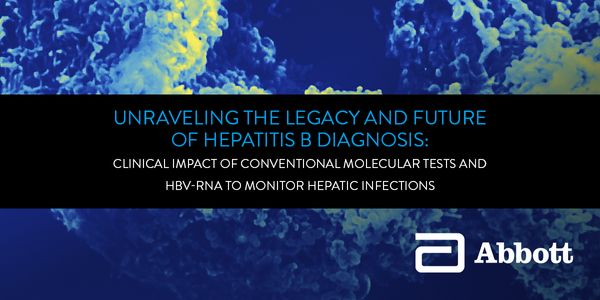
DATE: May 15, 2019TIME: 9:00am PDTHepatitis B infections remain a significant global healthcare burden resulting in 887,000 deaths in 2015. Clinical laboratories can have a measurable i...
MAY 09, 2019 | 1:30 PM
C.E. CREDITS

In 2014, the Undiagnosed Diseases Network (UDN), which is funded by the NIH, was established as a network of seven clinical sites, two sequencing cores, and a coordinating center. Later, a ce...
MAY 09, 2019 | 12:00 PM

Screening to identify all known viruses and other pathogenic microorganisms including bacteria, fungus and parasites in human tumor tissues will provide a more comprehensive understanding of...
MAY 09, 2019 | 10:30 AM
Speculations that some form DNA alteration might be utilized by the brain date to the 1960s [1] wherein hypotheses for genomic alterations of germline DNA were proposed for immunoglobulins an...
MAY 09, 2019 | 9:00 AM

The advent of precision medicine largely depends on the creation of precise and accurate predictive tools. While most late-onset diseases are moderately to highly heritable, using genetic inf...
MAY 09, 2019 | 9:00 AM

Release of the first human genome assembly was a landmark achievement, and after nearly two decades of improvements, the current human reference genome (GRCh38) is the most accurate and compl...
MAY 09, 2019 | 7:30 AM
C.E. CREDITS
Recent technological advances as well as longitudinal monitoring not only have the potential to improve the treatment of disease (Precision Medicine) but also empower people to stay healthy (...
MAY 09, 2019 | 6:00 AM

Variant interpretation presents a bottleneck for many labs, posing a challenge to the broader adoption of precision medicine. The ACMG/AMP variant classification framework has provided a foun...