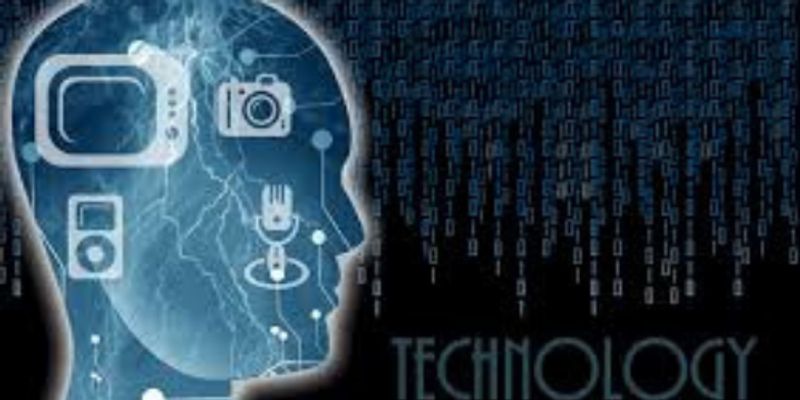
Technology is the science or information put into functional use to take care of issues or design helpful devices. It utilizes significantly more than logical information and incorporates values as much as realities, down to earth make information as much as hypothetical information.
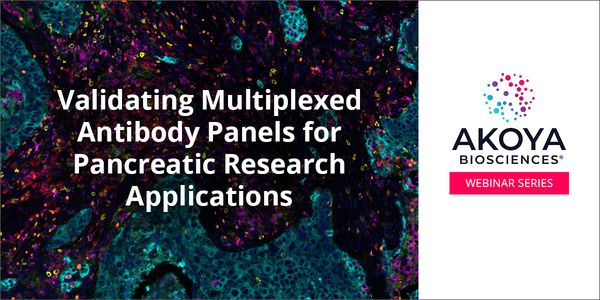
DATE: November 7, 2019TIME: 10:00am PST, 1:00pm EST Studying the pathogenesis of diabetes requires detailed analysis of the pancreatic islet microenvironment and its numerous c...
Since the establishment of reverse genetics techniques to manipulate the influenza virus genome, it has been possible to study viral molecular signatures responsible for virulence, and the ge...
DATE: October 31, 2019TIME: 9:00am PDT, 12:00pm EDT INTRODUCTION: A major limitation for the development of 3D engineered tissues is the absence of viable and perfusable...
DATE: October 30, 2019TIME: 7:00am PDTJoin us for a webinar to learn how to apply single cell methods to study cancer. Dr. William Greenleaf, Associate Professor from Stanford Universit...
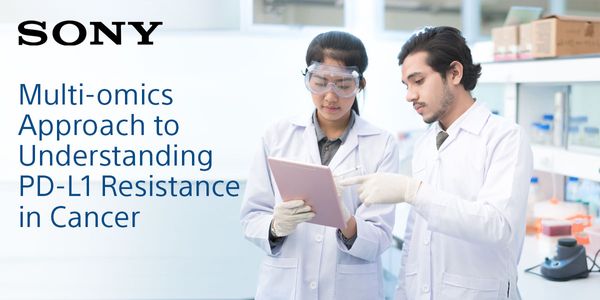
DATE: October 29, 2019TIME: 8:00am PDTAlthough immune-based therapies targeting the inhibitory receptors (PD-L1, PD1, and CTLA4) are proven to be effective to treat cancer, some pati...
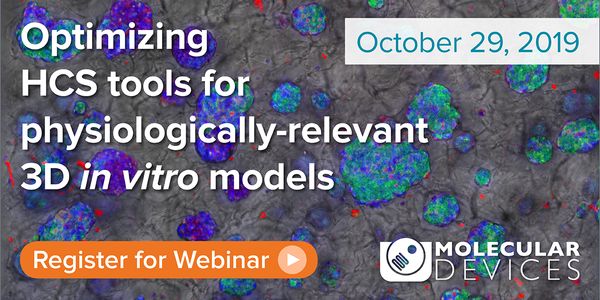
DATE: October 29, 2019TIME: 7:00am PDT3D cell culture systems have recently emerged as tools for reproducing the cellular environment and the organization of tissues/organs, where cel...
With annual sales exceeding $145 billion, growth of biologic therapeutics is outpacing that of small-molecule drugs, and the development, manufacture, and delivery of biologics presents very...
The emergence of medicinal hemp represents a new frontier in medicine; one which has tremendous potential for patients struggling with a wide array of illnesses. However, in order to fully ca...
Supercritical fluid chromatography (SFC) has historically been very effective for exacting difficult chiral separations, with an unmatched power in terms of enabling highly efficient enantios...
Therapeutic monoclonal antibodies are a clinically important and life-saving class of biotherapeutics used in the treatment of several previously intractable diseases. However, their developm...
Chromatography is the first choice in separation technique for a wide selection of applications, across many fields, ranging from simple to highly complex extracts. The main rationale for it...
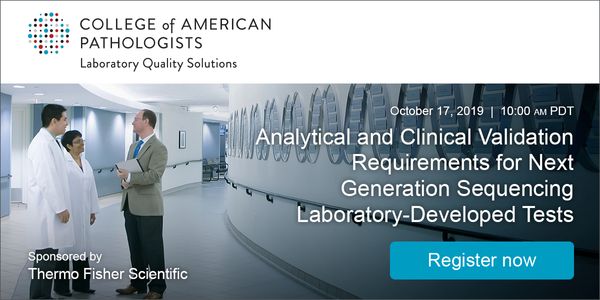
DATE: October 17, 2019TIME: 10:00am PDTNext generation sequencing (NGS) has revolutionized molecular diagnostic testing. It is important to note that, as with many molecular diagnost...
DATE: October 15, 2019TIME: 8:00am PDTIon mobility-mass spectrometry (IM/MS) is a rapid, gas-phase separation technique that has become an integral part of the analytical repertoire of t...
Metastatic castration resistant prostate cancer (mCRPC) refractory to secondary hormonal treatments such as enzalutamide or abiraterone acetate are the most lethal of prostate cancers. In thi...
Tumor mutational burden (TMB) is an emerging biomarker that correlates with response to immunotherapeutic agents, such as checkpoint inhibitors. Recent studies indicate that a high mutation l...
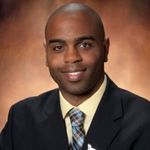
Osteosarcoma (OS) is the most common bone tumor in pediatric and adolescent/young adult patients. Over the past three decades, significant improvements in the survival rates or therapeutic ap...
Accumulation of structural variations (SVs) across the genome is a known trigger factor for oncogenesis. Structural mutations have been clearly implicated in a number of cancers, most notably...
Blockade of CTLA-4 and PD-1, members of the B7/CD28 family, have proven to be the most successful cancer immunotherapies to date. While the current therapeutic focus remains on B7/CD28 family...
Copy-number alterations and chromosomal translocations are widespread in cancer and frequently causing oncogenic mutations that drive tumorigenesis and therapy resistance. Despite their preva...
In this webinar, we will be discussing some of our most recent testing using our Cas9 proteins, Cas9 RNP nickases in a variety of human cell types, including primary T-cells. Cas nucleases wh...
The quest to cure cancer through the manipulation the immune system has been at the forefront of science for the past half-decade. The result has been the emergence of a multitude of promisin...
The introduction of robot-assisted surgical technology into urological practice, has introduced new horizons for reducing the morbidity and enhancing the efficacy of surgery. Open radical cys...
DATE: November 7, 2019TIME: 10:00am PST, 1:00pm EST Studying the pathogenesis of diabetes requires detailed analysis of the pancreatic islet microenvironment and its numerous c...
Since the establishment of reverse genetics techniques to manipulate the influenza virus genome, it has been possible to study viral molecular signatures responsible for virulence, and the ge...
DATE: October 31, 2019TIME: 9:00am PDT, 12:00pm EDT INTRODUCTION: A major limitation for the development of 3D engineered tissues is the absence of viable and perfusable...
DATE: October 30, 2019TIME: 7:00am PDTJoin us for a webinar to learn how to apply single cell methods to study cancer. Dr. William Greenleaf, Associate Professor from Stanford Universit...
DATE: October 29, 2019TIME: 8:00am PDTAlthough immune-based therapies targeting the inhibitory receptors (PD-L1, PD1, and CTLA4) are proven to be effective to treat cancer, some pati...
DATE: October 29, 2019TIME: 7:00am PDT3D cell culture systems have recently emerged as tools for reproducing the cellular environment and the organization of tissues/organs, where cel...
With annual sales exceeding $145 billion, growth of biologic therapeutics is outpacing that of small-molecule drugs, and the development, manufacture, and delivery of biologics presents very...
The emergence of medicinal hemp represents a new frontier in medicine; one which has tremendous potential for patients struggling with a wide array of illnesses. However, in order to fully ca...
Supercritical fluid chromatography (SFC) has historically been very effective for exacting difficult chiral separations, with an unmatched power in terms of enabling highly efficient enantios...
Therapeutic monoclonal antibodies are a clinically important and life-saving class of biotherapeutics used in the treatment of several previously intractable diseases. However, their developm...
Chromatography is the first choice in separation technique for a wide selection of applications, across many fields, ranging from simple to highly complex extracts. The main rationale for it...
DATE: October 17, 2019TIME: 10:00am PDTNext generation sequencing (NGS) has revolutionized molecular diagnostic testing. It is important to note that, as with many molecular diagnost...
DATE: October 15, 2019TIME: 8:00am PDTIon mobility-mass spectrometry (IM/MS) is a rapid, gas-phase separation technique that has become an integral part of the analytical repertoire of t...
Metastatic castration resistant prostate cancer (mCRPC) refractory to secondary hormonal treatments such as enzalutamide or abiraterone acetate are the most lethal of prostate cancers. In thi...
Tumor mutational burden (TMB) is an emerging biomarker that correlates with response to immunotherapeutic agents, such as checkpoint inhibitors. Recent studies indicate that a high mutation l...
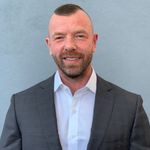
Osteosarcoma (OS) is the most common bone tumor in pediatric and adolescent/young adult patients. Over the past three decades, significant improvements in the survival rates or therapeutic ap...
Accumulation of structural variations (SVs) across the genome is a known trigger factor for oncogenesis. Structural mutations have been clearly implicated in a number of cancers, most notably...
Blockade of CTLA-4 and PD-1, members of the B7/CD28 family, have proven to be the most successful cancer immunotherapies to date. While the current therapeutic focus remains on B7/CD28 family...
Copy-number alterations and chromosomal translocations are widespread in cancer and frequently causing oncogenic mutations that drive tumorigenesis and therapy resistance. Despite their preva...
In this webinar, we will be discussing some of our most recent testing using our Cas9 proteins, Cas9 RNP nickases in a variety of human cell types, including primary T-cells. Cas nucleases wh...
The quest to cure cancer through the manipulation the immune system has been at the forefront of science for the past half-decade. The result has been the emergence of a multitude of promisin...
The introduction of robot-assisted surgical technology into urological practice, has introduced new horizons for reducing the morbidity and enhancing the efficacy of surgery. Open radical cys...