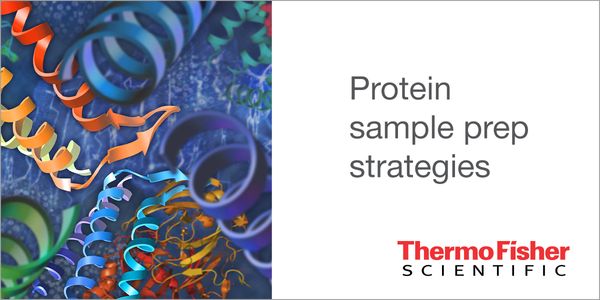
Proteins: are essential nutrients for the human body. They are one of the building blocks of body tissue and can also serve as a fuel source. As a fuel, proteins provide as much energy density as carbohydrates: 4 kcal per gram; in contrast, lipids provide 9 kcal per gram.
Learning is often an emotional process. Emotional stimuli with different valences, such as threat and reward, can transform an otherwise neutral sensory input into one that can trigger disti...
Neurodegenerative disease research can be considerably accelerated by using fibrillar or oligomeric constructs of prion-like proteins in in vitro or in vivo studies. These exist in a variety...
The accumulation of neurotoxic amyloid beta peptides and/or neurofibrillary tangle formation are key pathological hallmarks of neurodegenerative diseases including but not limited to Alzheim...
Autosomal dominant missense mutations that hyperactivate the LRRK2 protein kinase are a common cause of inherited Parkinson’s disease and therapeutic efficacy of LRRK2 inhibitors is be...
DATE: February 28, 2020 TIME: 9:00am PST Finding ways to bring therapeutic proteins to market faster is an ongoing challenge for global pharmaceutical development. Of all the analytical metho...
Whether you are performing killing assays, characterizing the tumor microenvironment, or investigating immunogenicity, primary cells are essential for the discovery of new therapeutics. Conc...
Digital spatial profiling (DSP) on the NanoString GeoMx platform enables high plex molecular profiling of clinical tissue samples. This new profiling strategy enables deep insights into the...
QIAGEN CLC Genomics Workbench is a powerful solution to analyze and visualize next generation sequencing (NGS) data. Powered by cutting-edge technology and accelerated algorithms, it support...
CRISPR revolutionized gene editing, but multi-target screening remains a complex goal. In addition, the fast pace of CRISPR technology development has brought sophisticated options for libra...
Recent advances in DNA sequencing and omics-based capabilities are revealing incredible therapeutic opportunities and quickly transforming drug discovery. Molecularly targeted drugs aim to e...
Learn about how to generate a small scale CAR-T workflow using ThermoFisher products See detailed characterization tools that can be utilized and applied in a CAR-T workflow...
DATE: January 30, 2020 TIME: 9:00am PST, 12:00pm EST Recent advances in in vitro 3D cellular culture technologies, such as organoids, rapidly developed and established novel, more physiologi...
DATE: January 29, 2019 TIME: 9:00am PST Plasma membrane proteins are a difficult subset of proteins to solubilize, purify, quantify, and detect, largely due to the challenge of extracting th...
Non-alcoholic fatty liver disease (NAFLD) is the most common form of chronic liver disease in developed countries, and it affects over 25% of the population worldwide. Within the next five y...
The study of biological function in intact organisms and the development of targeted cellular therapeutics necessitate methods to image and control cellular function in vivo. Technologies su...
Biomarkers are critical tools for all stages of cancer research, from drug development through clinical applications. Cancer is fundamentally a disease of unregulated cell growth and circumv...
Misfolded and accumulated neurodegenerative disease associated proteins (NDAPs, such as tau and alpha-synuclein) represent the major pathological hallmark in Alzheimer’s and Parkinson&...
Microphysiological systems (MPS), also known as organ-on-chips, are small scale in vitro cell cultures which mimic facets of tissue or organ level function. MPS frequently utilise primary hu...
“The poor translatability of early-stage preclinical models is a major setback in oncology drug development. Immortalized cell lines, that are extensively used in drug screens, undergo...
Learning Objectives: 1. Describe the exposure response relationships with vancomycin and acute kidney injury 2. Define biomarkers that may be useful to improve Precision Dosing...
Learning is often an emotional process. Emotional stimuli with different valences, such as threat and reward, can transform an otherwise neutral sensory input into one that can trigger disti...
Neurodegenerative disease research can be considerably accelerated by using fibrillar or oligomeric constructs of prion-like proteins in in vitro or in vivo studies. These exist in a variety...
The accumulation of neurotoxic amyloid beta peptides and/or neurofibrillary tangle formation are key pathological hallmarks of neurodegenerative diseases including but not limited to Alzheim...
Autosomal dominant missense mutations that hyperactivate the LRRK2 protein kinase are a common cause of inherited Parkinson’s disease and therapeutic efficacy of LRRK2 inhibitors is be...
DATE: February 28, 2020 TIME: 9:00am PST Finding ways to bring therapeutic proteins to market faster is an ongoing challenge for global pharmaceutical development. Of all the analytical metho...
Whether you are performing killing assays, characterizing the tumor microenvironment, or investigating immunogenicity, primary cells are essential for the discovery of new therapeutics. Conc...
Digital spatial profiling (DSP) on the NanoString GeoMx platform enables high plex molecular profiling of clinical tissue samples. This new profiling strategy enables deep insights into the...
QIAGEN CLC Genomics Workbench is a powerful solution to analyze and visualize next generation sequencing (NGS) data. Powered by cutting-edge technology and accelerated algorithms, it support...
CRISPR revolutionized gene editing, but multi-target screening remains a complex goal. In addition, the fast pace of CRISPR technology development has brought sophisticated options for libra...
Recent advances in DNA sequencing and omics-based capabilities are revealing incredible therapeutic opportunities and quickly transforming drug discovery. Molecularly targeted drugs aim to e...
Learn about how to generate a small scale CAR-T workflow using ThermoFisher products See detailed characterization tools that can be utilized and applied in a CAR-T workflow...
DATE: January 30, 2020 TIME: 9:00am PST, 12:00pm EST Recent advances in in vitro 3D cellular culture technologies, such as organoids, rapidly developed and established novel, more physiologi...
DATE: January 29, 2019 TIME: 9:00am PST Plasma membrane proteins are a difficult subset of proteins to solubilize, purify, quantify, and detect, largely due to the challenge of extracting th...
Non-alcoholic fatty liver disease (NAFLD) is the most common form of chronic liver disease in developed countries, and it affects over 25% of the population worldwide. Within the next five y...
The study of biological function in intact organisms and the development of targeted cellular therapeutics necessitate methods to image and control cellular function in vivo. Technologies su...
Biomarkers are critical tools for all stages of cancer research, from drug development through clinical applications. Cancer is fundamentally a disease of unregulated cell growth and circumv...
Misfolded and accumulated neurodegenerative disease associated proteins (NDAPs, such as tau and alpha-synuclein) represent the major pathological hallmark in Alzheimer’s and Parkinson&...
Microphysiological systems (MPS), also known as organ-on-chips, are small scale in vitro cell cultures which mimic facets of tissue or organ level function. MPS frequently utilise primary hu...
“The poor translatability of early-stage preclinical models is a major setback in oncology drug development. Immortalized cell lines, that are extensively used in drug screens, undergo...
Learning Objectives: 1. Describe the exposure response relationships with vancomycin and acute kidney injury 2. Define biomarkers that may be useful to improve Precision Dosing...

 Follow