Gut: Also known as, the gastrointestinal tract, is an organ system within humans and other animals. It takes in food, digests it to extract, and absorb energy and nutrients, and expels the remaining waste as feces. The mouth, esophagus, stomach and intestines are part of the gastrointestinal tract.
Trauma such as burn continues to be a major cause of morbidity and mortality in the United States. Gut barrier dysfunction is often implicated in post trauma complications. Intoxication at t...
Apolipoprotein E epsilon 4 (APOE4) is the primary genetic risk factor for late-onset Alzheimer's disease (AD). APOE4 carriers, especially females, tend to develop gut dysbiosis earlier t...
Learning Objectives: 1. Summarize the benefits and challenges of current preclinical methods in drug discovery and development. 2. Review new alternative methodologies (NAMs) and microphysio...
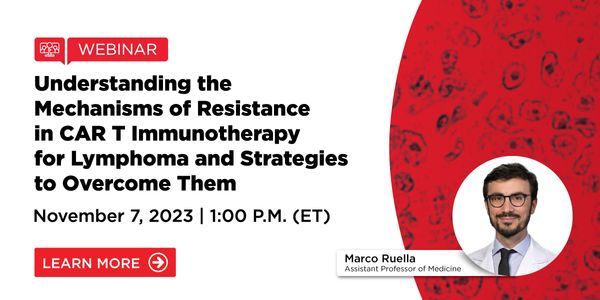
In the last 5 years, the US Food and Drug Administration has approved 4 anti-CD19 chimeric antigen receptor T cell (CART19) products for relapsed/refractory B cell lymphomas and leukemia. Ho...
In this talk, I will introduce two new tools that we developed based on CRISPR-enabled gene regulation in bacteria, and one method based on P1 phagemid-enabled delivery of Cas9 nuclease. Fir...
Intestinal epithelial cells lining the surface of our gastro-intestinal tract form a tight monolayer which serves as the primary barrier separating us from the luminal content of the gut. Th...
A significant increase in agricultural production is needed to meet the demand for food to feed the expected ~10 billion people by 2050. This increased agricultural output will also require...
There is much discussion by cannabis growers about the prevention of plant diseases, oftentimes circling back to the idea of curating a sterile cultivation system. However, keeping microbial...
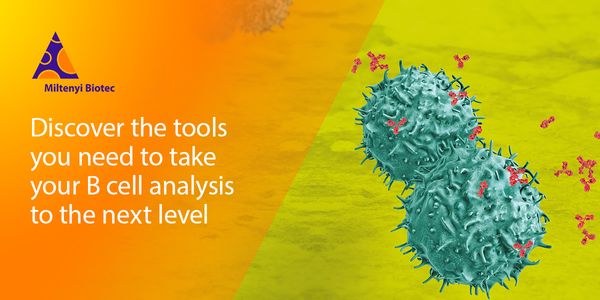
Date: October 14, 2021 Time: 8:00am (PDT), 11:00am (EDT) The primary role of B cells is to secrete antibodies, boosting our adaptive immune responses, making them an essential part of our im...
Date: October 12, 2021 Time: 9:00am (PDT), 12:00pm (EDT) SCIEX’s next-generation Biologics Explorer software is an innovative platform for the comprehensive and deep characterization o...
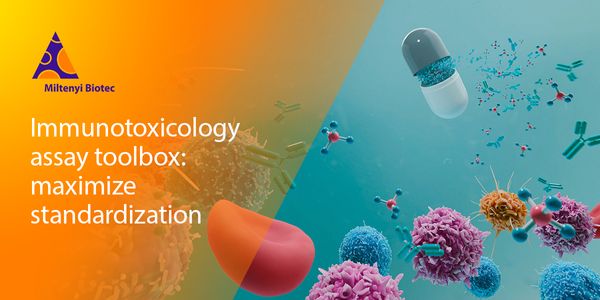
Date: September 08, 2021 Time: 8:00am (PST), 11:00am (EST) Developing biopharmaceuticals is challenging, with safety liability remaining one of the primary reasons for failure. As such, safe...
The Human Microbiome Project was conceived almost 15 years ago, as an extension of the Human Genome Project, to explore the diversity of human-associated microorganisms at multiple body site...
Date: April 06, 2021 Time: 8:00am (PST), 11:00am (EST) The discovery of the reproducibility crisis has called into question a worrying number of scientific results over the last few years. In...
Date: March 11, 2021 Time: 8:00am (PST), 11:00am (EST) g the toxicity profile of a compound is a necessity across industries and the various stages of drug development. Early stage mechanism...
DATE: December 15, 2020 TIME: 10:00am PST Scientists from Thermo Fisher Scientific will walk us through the world of microorganisms. They will discuss their most recent research on viruses,...
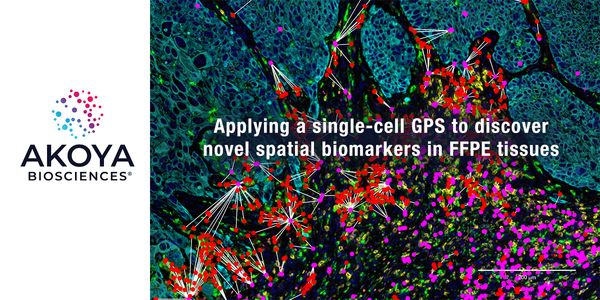
Date: September 28, 2020 Time: 5:00pm (PDT), 8:00am (HKT), 9:00am (JST) Although there have been dramatic advances in the field of single-cell sequencing, current methods cannot be applied t...
Intestinal organoids are self-organizing, 3D structures derived from either pluripotent stem cells or from primary tissues with the abiltiy to recapitulate some of the spatial architecture a...
As the spread of infectious diseases, current pandemic, and growing antimicrobial resistance (AMR) continues globally, next-generation sequencing (NGS) became a tool to diagnose infectious d...
The microbiome has emerged as a major contributor to human health and disease. Numerous sources implicate shifts in the gut microbiome as potentially pathologic for a variety of autoimmune d...
Sepsis is a life-threatening condition that is caused by the immune system’s inability to respond appropriately to an infection. How sepsis can change the gut microbiome in ways that a...
The transfer of antimicrobial resistance genes (ARG) to pathogenic microbes is a major concern in modern medicine. Antibiotic therapies are often rendered ineffective by horizontal acquisiti...
DATE: July 23, 2020 TIME: 10:00am PDT, 1:00pm EDT SARS-CoV-2 virus has impacted billions of lives globally and has spurred many scientists to address some of the biggest questions regarding...
Here I review the applications of Ion Torrent NGS technology in the field of microbiome research and some recent publications about it. With Ion Torrent 16S rRNA next generation sequencing,...
Trauma such as burn continues to be a major cause of morbidity and mortality in the United States. Gut barrier dysfunction is often implicated in post trauma complications. Intoxication at t...
Apolipoprotein E epsilon 4 (APOE4) is the primary genetic risk factor for late-onset Alzheimer's disease (AD). APOE4 carriers, especially females, tend to develop gut dysbiosis earlier t...
Learning Objectives: 1. Summarize the benefits and challenges of current preclinical methods in drug discovery and development. 2. Review new alternative methodologies (NAMs) and microphysio...
In the last 5 years, the US Food and Drug Administration has approved 4 anti-CD19 chimeric antigen receptor T cell (CART19) products for relapsed/refractory B cell lymphomas and leukemia. Ho...
In this talk, I will introduce two new tools that we developed based on CRISPR-enabled gene regulation in bacteria, and one method based on P1 phagemid-enabled delivery of Cas9 nuclease. Fir...
Intestinal epithelial cells lining the surface of our gastro-intestinal tract form a tight monolayer which serves as the primary barrier separating us from the luminal content of the gut. Th...
A significant increase in agricultural production is needed to meet the demand for food to feed the expected ~10 billion people by 2050. This increased agricultural output will also require...
There is much discussion by cannabis growers about the prevention of plant diseases, oftentimes circling back to the idea of curating a sterile cultivation system. However, keeping microbial...
Date: October 14, 2021 Time: 8:00am (PDT), 11:00am (EDT) The primary role of B cells is to secrete antibodies, boosting our adaptive immune responses, making them an essential part of our im...
Date: October 12, 2021 Time: 9:00am (PDT), 12:00pm (EDT) SCIEX’s next-generation Biologics Explorer software is an innovative platform for the comprehensive and deep characterization o...
Date: September 08, 2021 Time: 8:00am (PST), 11:00am (EST) Developing biopharmaceuticals is challenging, with safety liability remaining one of the primary reasons for failure. As such, safe...
The Human Microbiome Project was conceived almost 15 years ago, as an extension of the Human Genome Project, to explore the diversity of human-associated microorganisms at multiple body site...
Date: April 06, 2021 Time: 8:00am (PST), 11:00am (EST) The discovery of the reproducibility crisis has called into question a worrying number of scientific results over the last few years. In...
Date: March 11, 2021 Time: 8:00am (PST), 11:00am (EST) g the toxicity profile of a compound is a necessity across industries and the various stages of drug development. Early stage mechanism...
DATE: December 15, 2020 TIME: 10:00am PST Scientists from Thermo Fisher Scientific will walk us through the world of microorganisms. They will discuss their most recent research on viruses,...
Date: September 28, 2020 Time: 5:00pm (PDT), 8:00am (HKT), 9:00am (JST) Although there have been dramatic advances in the field of single-cell sequencing, current methods cannot be applied t...
Intestinal organoids are self-organizing, 3D structures derived from either pluripotent stem cells or from primary tissues with the abiltiy to recapitulate some of the spatial architecture a...
As the spread of infectious diseases, current pandemic, and growing antimicrobial resistance (AMR) continues globally, next-generation sequencing (NGS) became a tool to diagnose infectious d...
The microbiome has emerged as a major contributor to human health and disease. Numerous sources implicate shifts in the gut microbiome as potentially pathologic for a variety of autoimmune d...
Sepsis is a life-threatening condition that is caused by the immune system’s inability to respond appropriately to an infection. How sepsis can change the gut microbiome in ways that a...
The transfer of antimicrobial resistance genes (ARG) to pathogenic microbes is a major concern in modern medicine. Antibiotic therapies are often rendered ineffective by horizontal acquisiti...
DATE: July 23, 2020 TIME: 10:00am PDT, 1:00pm EDT SARS-CoV-2 virus has impacted billions of lives globally and has spurred many scientists to address some of the biggest questions regarding...
Here I review the applications of Ion Torrent NGS technology in the field of microbiome research and some recent publications about it. With Ion Torrent 16S rRNA next generation sequencing,...

 Follow