Gut: Also known as, the gastrointestinal tract, is an organ system within humans and other animals. It takes in food, digests it to extract, and absorb energy and nutrients, and expels the remaining waste as feces. The mouth, esophagus, stomach and intestines are part of the gastrointestinal tract.
The basic units of biological structure and function are cells, which exhibit wide variation in regard to both type and state. We assess such variation by simultaneously profiling the transc...
As the spread of infectious diseases, current pandemic, and growing antimicrobial resistance (AMR) continues globally, next-generation sequencing (NGS) and specifically metagenomics became a...
Microphysiological systems (MPS), also known as organ-on-chips, are small scale in vitro cell cultures which mimic facets of tissue or organ level function. MPS frequently utilise primary hu...
The OrganoPlate is a microtiterplate based Organ-on-a-Chip platform for high throughput drug safety and efficacy screening. It contains up to 96 cell culture chambers that allow co-culture o...
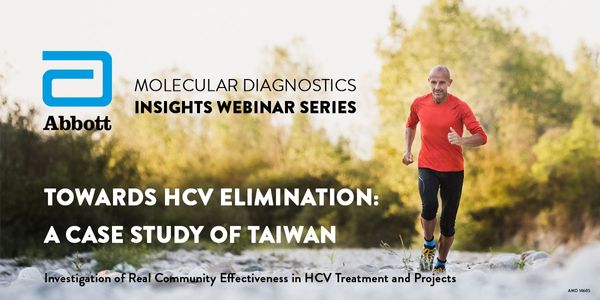
DATE: December 17, 2019 TIME: 2:00pm SGT From WHO 2017 Hepatitis report, an estimated 290 million (89%) of the 325 million people living with viral hepatitis B and C are unaware that they ar...
Calprotectin is a member of the S100 family of calcium binding proteins, being a hetero dimmer of S100A8/9 and accounts for 60% of the protein in the cytoplasm of neutrophils. It is released...
Environment drives bacterial functional diversification. Molecular functional abilities of individual microbes and microbiomes from different envrionment conditions, such as temperature or sa...
Learning Objectives: Review basic immuno-pathobiology of IBD and the phenotypes of IBD or IBDs - Crohn’s, Ulcerative Colitis and Indeterminate Colitis Briefly describe the epide...
The emergence and spread of antimicrobial-resistant (AMR) bacteria and resistance mechanisms pose a serious challenge to laboratories in both hospital clinical microbiology and public health...
With humans pushing to live further off Earth for longer periods of time, it is increasingly important to understand the changes that occur in biological systems during spaceflight whether th...
immunocompromised populations where the virus can cause systemic and even fatal infections. Indeed, we have shown that astrovirus infections are more prevalent than norovirus in our pediatric...
In-vitro epithelial barrier models that are more representative of in-vivo tissues are urgently needed. Here we present extracellular matrix-supported intestinal tubules in a perfused microfl...
DATE: October 25, 2018TIME: 08:00am PDT, 11:00am EDT While the significance of the microbiome is unprecedented, a thorough study to dissect the role of individual popul...
The soil microbiome can produce, resist, or degrade antibiotics and even catabolize them. Resistance genes are widely distributed in the soil and may act as a reservoir for pathogen antibioti...
The Alkek Center for Metagenomics and Microbiome Research (CMMR) at Baylor College of Medicine is pursuing numerous research and development efforts in the study of how the microbiome impacts...
The miniaturized total chemical analysis system has been successfully repurposed over the past twenty years or so for engineering cellular microenvironments which more faithfully mimic in viv...
The human large intestine houses trillions of microorganisms which collectively form the highly diverse microbial community known as the gut microbiota. The gut microbiota performs many funct...
INTRODUCTION: The recent coincidental emergence of the human microbiota and the Hologneomic Theory of Co-evolution unmasked the “Dual Citizenship” of symbiotic microbes and...
The enteric nervous system (ENS) plays an essential role in gut motility. Diseases of the ENS result in bowel motility disorders that are some of the most challenging clinical conditions to m...
DATE: May 22, 2017TIME: 8:00AM PDT, 11:00AM ETCrohn's disease (CD) results from a complex interplay between host genetic factors and endogenous microbial communities. In the current...
DATE: April 14, 2017TIME: 10:00AM PST, 1:00PM ET The study presented will represent the most comprehensive characterization of lipid changes in the context of aging and DR to d...
Gastrointestinal (GI) disorders are now widely recognized as a clinical symptom of autism spectrum disorder (ASD), and research into the microbiome-gut-brain axis is beginning to reveal the i...
The basic units of biological structure and function are cells, which exhibit wide variation in regard to both type and state. We assess such variation by simultaneously profiling the transc...
As the spread of infectious diseases, current pandemic, and growing antimicrobial resistance (AMR) continues globally, next-generation sequencing (NGS) and specifically metagenomics became a...
Microphysiological systems (MPS), also known as organ-on-chips, are small scale in vitro cell cultures which mimic facets of tissue or organ level function. MPS frequently utilise primary hu...
The OrganoPlate is a microtiterplate based Organ-on-a-Chip platform for high throughput drug safety and efficacy screening. It contains up to 96 cell culture chambers that allow co-culture o...
DATE: December 17, 2019 TIME: 2:00pm SGT From WHO 2017 Hepatitis report, an estimated 290 million (89%) of the 325 million people living with viral hepatitis B and C are unaware that they ar...
Calprotectin is a member of the S100 family of calcium binding proteins, being a hetero dimmer of S100A8/9 and accounts for 60% of the protein in the cytoplasm of neutrophils. It is released...
Environment drives bacterial functional diversification. Molecular functional abilities of individual microbes and microbiomes from different envrionment conditions, such as temperature or sa...
Learning Objectives: Review basic immuno-pathobiology of IBD and the phenotypes of IBD or IBDs - Crohn’s, Ulcerative Colitis and Indeterminate Colitis Briefly describe the epide...
The emergence and spread of antimicrobial-resistant (AMR) bacteria and resistance mechanisms pose a serious challenge to laboratories in both hospital clinical microbiology and public health...
With humans pushing to live further off Earth for longer periods of time, it is increasingly important to understand the changes that occur in biological systems during spaceflight whether th...
immunocompromised populations where the virus can cause systemic and even fatal infections. Indeed, we have shown that astrovirus infections are more prevalent than norovirus in our pediatric...
In-vitro epithelial barrier models that are more representative of in-vivo tissues are urgently needed. Here we present extracellular matrix-supported intestinal tubules in a perfused microfl...
DATE: October 25, 2018TIME: 08:00am PDT, 11:00am EDT While the significance of the microbiome is unprecedented, a thorough study to dissect the role of individual popul...
The soil microbiome can produce, resist, or degrade antibiotics and even catabolize them. Resistance genes are widely distributed in the soil and may act as a reservoir for pathogen antibioti...
The Alkek Center for Metagenomics and Microbiome Research (CMMR) at Baylor College of Medicine is pursuing numerous research and development efforts in the study of how the microbiome impacts...
The miniaturized total chemical analysis system has been successfully repurposed over the past twenty years or so for engineering cellular microenvironments which more faithfully mimic in viv...
The human large intestine houses trillions of microorganisms which collectively form the highly diverse microbial community known as the gut microbiota. The gut microbiota performs many funct...
INTRODUCTION: The recent coincidental emergence of the human microbiota and the Hologneomic Theory of Co-evolution unmasked the “Dual Citizenship” of symbiotic microbes and...
The enteric nervous system (ENS) plays an essential role in gut motility. Diseases of the ENS result in bowel motility disorders that are some of the most challenging clinical conditions to m...
DATE: May 22, 2017TIME: 8:00AM PDT, 11:00AM ETCrohn's disease (CD) results from a complex interplay between host genetic factors and endogenous microbial communities. In the current...
DATE: April 14, 2017TIME: 10:00AM PST, 1:00PM ET The study presented will represent the most comprehensive characterization of lipid changes in the context of aging and DR to d...
Gastrointestinal (GI) disorders are now widely recognized as a clinical symptom of autism spectrum disorder (ASD), and research into the microbiome-gut-brain axis is beginning to reveal the i...

 Follow






![Bacteria, environment and function: the basis of microb[iom]e annotation](https://d3bkbkx82g74b8.cloudfront.net/eyJidWNrZXQiOiJsYWJyb290cy1pbWFnZXMiLCJrZXkiOiJ3ZWJpbmFyX3Byb2ZpbGVfaW1hZ2VfMjJhYWY2ZTZlM2JjYjA3OWI0MGI2MWUzYmFiYWFiZDFhNDIxODM4NF84NjM1LmpwZyIsImVkaXRzIjp7InRvRm9ybWF0IjoianBnIiwicmVzaXplIjp7IndpZHRoIjoxNTAsImhlaWdodCI6MTUwLCJmaXQiOiJjb3ZlciIsInBvc2l0aW9uIjoiY2VudGVyIiwiYmFja2dyb3VuZCI6IiNmZmYifSwiZmxhdHRlbiI6eyJiYWNrZ3JvdW5kIjoiI2ZmZiJ9fX0=)