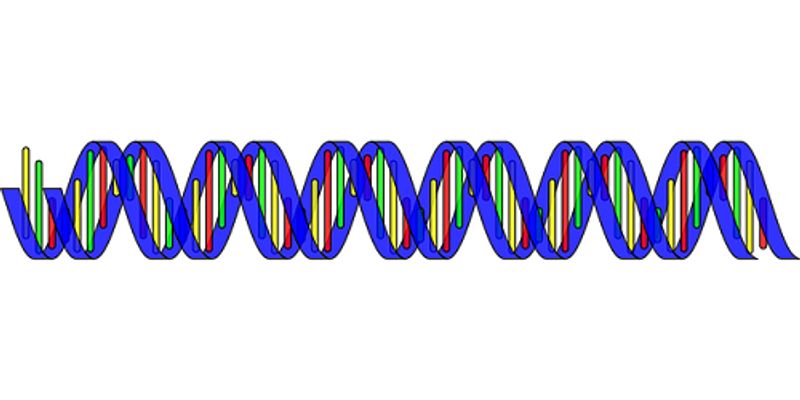
RNA, short for Ribonucleic Acid, is a molecule found in the human body that is able to form polymers and secondary structures, and can be used for various activities including decoding DNA and transferring the information to the Ribosome (tRNA), incorporation into the Ribosome (rRNA), as well as many regulatory activities concerning the expression of genes.

Platform based therapeutics and vaccines offer a unique opportunity to simplify and streamline the drug development process. Moderna has taken the approach of harnessing the power of mRNA as...
Date: February 11, 2021 Time: 8:00am (PST), 11:00am (EST) Getting answers on what’s in your precious AAV, LVV, or lipid nanoparticle (LNP) sample means wanting to use the lowest possib...
Date: January 26, 2021 Time: 9:00am (PST), 12:00pm (EST) Over the past years, CRISPR/Cas genome editing has quickly become the method of choice for genetic manipulation, owing to its ease-of...
Date: December 17, 2020 Time: 9:00am (PST), 12:00pm (EST) Correlative light and electron microscopy (CLEM) advances biological discoveries by merging different microscopes and imaging moda...
DATE: December 15, 2020 TIME: 10:00am PST Scientists from Thermo Fisher Scientific will walk us through the world of microorganisms. They will discuss their most recent research on viruses,...
Date: December 9, 2020 Time: 7:00am (PST), 10:00am (EST) In this talk we will discuss the new analytical approaches to characterize RNA molecules from small oligonucleotides to larger messen...
The COVID-19 pandemic continues to have a grip on worldwide health and global economics. Advancing molecular diagnostics is central to the diagnosis and prevention efforts surrounding the de...
To execute COVID-19 testing strategies effectively, labs need to procure reliable components of the workflow without interruption – from reagents to equipment and consumables at the sc...
Learning Objectives: 1. Learn what RNA and DNA vaccines are and why they are ideal vaccine strategies to respond rapidly to pandemics 2. Understand the key requirements of an effective vacci...
Date: November 19, 2020 Time: 12:00am (PDT), 9:00am (CET), 4:00pm (SGT) We present split-FISH, a multiplexed fluorescence in situ hybridization method that leverages a split-probe design to...
Date: November 16, 2020 Time: 8:00am (PST), 11:00am (EST) CRISPR screening has become the prime discovery tool in modern biomedical research and drug discovery. At the same time, most screen...
DATE: Date needed, 2020 TIME: Time needed Exosomes are a population of naturally occurring mobile, membrane-limited, 30 – 100 nm in diameter, extracellular vesicles containing a large...
Date: October 29, 2020 Time: 8:00am (PDT), 11:00am (EDT) What cell types cause and perpetuate disease? For many diseases, scientists only have guesses to this critical question. Single cell...
Date: October 29, 2020 Time: 6:00am (PDT), 9:00am (EDT), Chronic inflammation can occur as a result of a combination of genetic predispositions and environmental factors. Epigenetic modifica...
To identify genetic variants in archival human samples, researchers need a powerful NGS platform that can accommodate input DNA and RNA that is often low quality and/or low quantity. This ch...
Solid phase extraction has become a preferable technique for reducing matrix effects for sample preparation due to its ease of use and limited time requirements. MilliporeSigma has launched...
While circulating cell-free DNA (ccfDNA) and to some extend CTCs from blood are routinely used as analyte in liquid biopsy cancer research applications, circulating cell-free RNA (ccfRNA) ha...

Martin highlights various factors impacting molecular analysis from FFPE samples and key challenges and considerations while working with this precious yet challenging sample type. Learning...
Individuals of under-represented minority ancestry are at disproportional risk for higher incidence and mortality rates for particular cancers. The unequal burden of cancer in certain racial...
Changes in transcriptional regulation are thought to be one of the key drivers of carcinogenesis. Although next-generation sequencer revolutionized transcriptome analysis, there are limitati...
RNA plays important and diverse roles in biology, but molecular tools to manipulate and measure RNA are limited. We demonstrate that RNA-targeting CRISPR effector Cas13 can be engineered for...
The CRISPR/Cas genome editing system has revolutionized nearly every aspect of the life science industry. Until recently, the most used formats for this technology have been plasmids, mRNA,...
CRISPR-based genome editing has accelerated biological research and holds great potential for studying and treating human diseases. The CRISPR-Cas9 system requires a Cas9 nuclease and a guid...
While transformative, first-generation CRISPR technologies remain limited across multiple important dimensions including scalability, editing efficiency, types of modifications available, an...
Platform based therapeutics and vaccines offer a unique opportunity to simplify and streamline the drug development process. Moderna has taken the approach of harnessing the power of mRNA as...
Date: February 11, 2021 Time: 8:00am (PST), 11:00am (EST) Getting answers on what’s in your precious AAV, LVV, or lipid nanoparticle (LNP) sample means wanting to use the lowest possib...
Date: January 26, 2021 Time: 9:00am (PST), 12:00pm (EST) Over the past years, CRISPR/Cas genome editing has quickly become the method of choice for genetic manipulation, owing to its ease-of...
Date: December 17, 2020 Time: 9:00am (PST), 12:00pm (EST) Correlative light and electron microscopy (CLEM) advances biological discoveries by merging different microscopes and imaging moda...
DATE: December 15, 2020 TIME: 10:00am PST Scientists from Thermo Fisher Scientific will walk us through the world of microorganisms. They will discuss their most recent research on viruses,...
Date: December 9, 2020 Time: 7:00am (PST), 10:00am (EST) In this talk we will discuss the new analytical approaches to characterize RNA molecules from small oligonucleotides to larger messen...
The COVID-19 pandemic continues to have a grip on worldwide health and global economics. Advancing molecular diagnostics is central to the diagnosis and prevention efforts surrounding the de...
To execute COVID-19 testing strategies effectively, labs need to procure reliable components of the workflow without interruption – from reagents to equipment and consumables at the sc...
Learning Objectives: 1. Learn what RNA and DNA vaccines are and why they are ideal vaccine strategies to respond rapidly to pandemics 2. Understand the key requirements of an effective vacci...
Date: November 19, 2020 Time: 12:00am (PDT), 9:00am (CET), 4:00pm (SGT) We present split-FISH, a multiplexed fluorescence in situ hybridization method that leverages a split-probe design to...
Date: November 16, 2020 Time: 8:00am (PST), 11:00am (EST) CRISPR screening has become the prime discovery tool in modern biomedical research and drug discovery. At the same time, most screen...
DATE: Date needed, 2020 TIME: Time needed Exosomes are a population of naturally occurring mobile, membrane-limited, 30 – 100 nm in diameter, extracellular vesicles containing a large...
Date: October 29, 2020 Time: 8:00am (PDT), 11:00am (EDT) What cell types cause and perpetuate disease? For many diseases, scientists only have guesses to this critical question. Single cell...
Date: October 29, 2020 Time: 6:00am (PDT), 9:00am (EDT), Chronic inflammation can occur as a result of a combination of genetic predispositions and environmental factors. Epigenetic modifica...
To identify genetic variants in archival human samples, researchers need a powerful NGS platform that can accommodate input DNA and RNA that is often low quality and/or low quantity. This ch...
Solid phase extraction has become a preferable technique for reducing matrix effects for sample preparation due to its ease of use and limited time requirements. MilliporeSigma has launched...
While circulating cell-free DNA (ccfDNA) and to some extend CTCs from blood are routinely used as analyte in liquid biopsy cancer research applications, circulating cell-free RNA (ccfRNA) ha...

Martin highlights various factors impacting molecular analysis from FFPE samples and key challenges and considerations while working with this precious yet challenging sample type. Learning...
Individuals of under-represented minority ancestry are at disproportional risk for higher incidence and mortality rates for particular cancers. The unequal burden of cancer in certain racial...
Changes in transcriptional regulation are thought to be one of the key drivers of carcinogenesis. Although next-generation sequencer revolutionized transcriptome analysis, there are limitati...
RNA plays important and diverse roles in biology, but molecular tools to manipulate and measure RNA are limited. We demonstrate that RNA-targeting CRISPR effector Cas13 can be engineered for...
The CRISPR/Cas genome editing system has revolutionized nearly every aspect of the life science industry. Until recently, the most used formats for this technology have been plasmids, mRNA,...
CRISPR-based genome editing has accelerated biological research and holds great potential for studying and treating human diseases. The CRISPR-Cas9 system requires a Cas9 nuclease and a guid...
While transformative, first-generation CRISPR technologies remain limited across multiple important dimensions including scalability, editing efficiency, types of modifications available, an...