 Follow
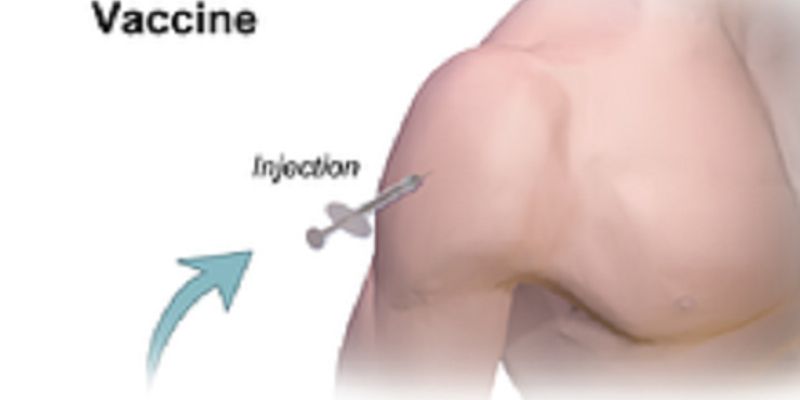
Vaccine
Vaccine: a substance used to stimulate the production of antibodies and provide immunity against one or several diseases, prepared from the causative agent of a disease, its products, or a synthetic substitute, treated to act as an antigen without inducing the disease. A vaccine typically contains an agent that resembles a disease-causing microorganism and is often made from weakened or killed forms of the microbe, its toxins or one of its surface proteins. The agent stimulates the body's immune system to recognize the agent as a threat, destroy it, and recognize and destroy any of these microorganisms that it later encounters.

APR 14, 2021 | 10:30 AM

Despite available vaccines and treatments, COVID-19 continues to impose a major burden in the world, as a leading cause of hospitalizations and deaths. We and others have been working in te...
APR 14, 2021 | 9:00 AM
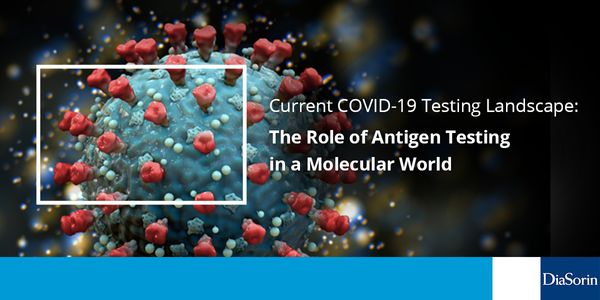
Date: April 14, 2021 Time: 9:00am PDT Testing solutions for CoV-2 have had to evolve as the pandemic creates challenges and opportunities for various technologies to support the ongoing nee...
APR 14, 2021 | 9:00 AM

Asymptomatic SARS-CoV-2 infection and delayed implementation of diagnostics have led to poorly defined viral prevalence rates. To address this, we analyzed seropositivity in US adults who ha...
APR 14, 2021 | 7:30 AM

The Institute for Health Metrics and Evaluation (IHME) uses a hybrid modeling approach to generate Covid19 forecasts. The model incorporates elements of statistical and disease transmission...
APR 14, 2021 | 6:00 AM

COVID 19 is caused by a new coronavirus , SARS-CoV-2, which is highly infectious and can cause a wide spectrum of symptoms and affect multiple human systems. What we have learned from other...
APR 14, 2021 | 12:00 AM

Despite a continuous decline of corona virus cases, the broad rollout of multiple vaccines, and the start of a return to normalcy, concerns of SARS-CoV-2 outbreaks continue to linger on the...
APR 14, 2021 | 12:00 AM

Over a year into the COVID-19 pandemic, key vulnerable populations in the United States and across the world lack access to effective vaccines. IDRI has developed technology that addresses s...
APR 14, 2021 | 12:00 AM

Vaccines to prevent COVID-19 were developed within 1 year after the identification of SARS-CoV-2 as the causative virus. There are now 3 vaccines that are FDA approved via Emergency Use Auth...