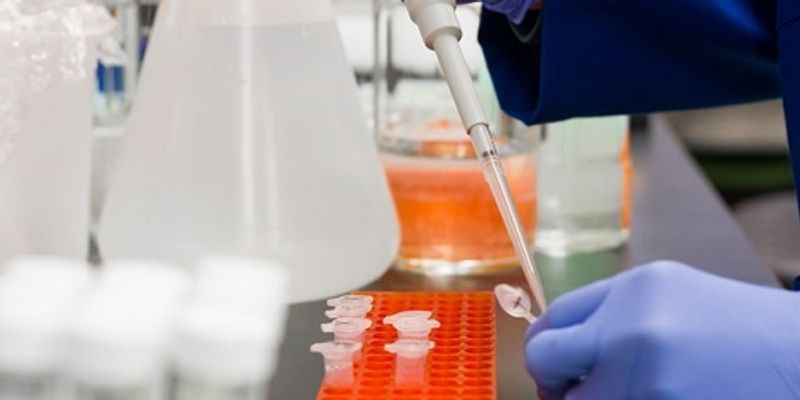
Cell isolation is the process of separating individual cells from a block of tissue using different techniques. This process is valid for cells which do not exist in a separated form, but in a complex and solid system.
The enteric nervous system (ENS) plays an essential role in gut motility. Diseases of the ENS result in bowel motility disorders that are some of the most challenging clinical conditions to m...
Ductal cells share several markers with pancreatic embryonic progenitors, suggesting that ductal cells could be the closest lineage to an adult progenitor in the pancreas, thus their stem-lik...
Therapeutic application of pluripotent stem (PS) cell-derived products represents the ultimate goal of stem cell research. In order to apply this technology to patients, it is fundamental to ...
The discovery of the CRISPR/Cas9 system has transformed research and now allows straightforward alterations in the genome and can be exploited to introduce changes to mimic diseases. This pre...
The development of the CRISPR/Cas9 gene-editing platform enables the rapid generation of new genetically modified stem cell models of human diseases, as well as providing new potential therap...
CRISPR-Cas9 systems provide a platform for high efficiency genome editing that are enabling innovative applications of mammalian cell engineering. The delivery of Cas9 plasmid DNA or mR...
The emergence of technology for development of induced pluripotent stem cells (iPSCs) from somatic cells, such as skin and blood cells, has resulted in the ability of researchers to have limi...
DATE: June 7, 2017TIME: 9:00AM PDT, 12:00PM EDTPluripotent stem cells (PSCs) offer an unlimited source of human cardiovascular cells for research and the development of cardiac regenera...
The objective of academic, biotech or pharmaceutical scientists committed to protein purification is to obtain the purest protein needed for their application, regardless of scale. Towards th...
The isolation of broadly-neutralizing antibodies from HIV-1 infected individuals raises the hope that a vaccine may elicit a similar immune response. These antibodies target the only viral pr...
With the exception of the Microbiome Quality Control (MBQC), very little has been published on best practices and reference standards for microbiome and metagenomic studies. As evidenced by r...
Epigenetics refers to the study of nuclear architecture and gene regulation. Epigenetic mechanisms govern many physiological processes such as cell differentiation, x-inactivation, and genomi...
Despite vast investment for decades in cancer research and development, cancer is still among the leading causes of death worldwide and its toll is expected to rise by about 70% over the next...
DATE: November 30, 2016
TIME: 9:00 AM PT, 12:00PM ET
When using a flow cytometry core facility, researchers commonly evaluate how to process their cellular samples most efficiently, while...
Culture systems for pluripotent stem cell (PSC) expansion enable generation of a nearly unlimited pool of cells for downstream differentiation, disease modeling, drug discovery, and therapeut...
The talk will first report on a new patented method of counting CTCs based on the metabolism of tumor cells, that favors acidification of their near environment. In order to maintain the acid...
This presentation will be demonstrating several different approaches to explore the diversity, function, and ecology of microbial communities. In Metagenomics, the sequencing of DNA dir...
Our speaker, Wenjie Xu, Ph.D., will present his publication data demonstrating how nCounter® technology can advance your infectious disease research faster and more accurately with unprec...
Access this training to learn more about the evolution of pluripotent stem cell culture systems and which solution is best for your PSC culture goals....
In the last 10 years, PCSK9 emerged as a promising target for the treatment of autosomal dominant hypercholesterolemia (ADH). With the emergence of induced pluripotent stem (hiPS) cells and f...
Using human pluripotent stem cells as a screening platform, we have identified a novel cell surface maker that identifies foregut endoderm progenitors in pancreas and liver. We have sho...
The isolation of human embryonic stem cells (hESCs) and the discovery of human induced pluripotent stem cell (hiPSC) reprogramming have sparked a renaissance in stem cell biology, in vitro di...
Years of significant effort can go into generating key proof of concept data to support moving bench research to clinical development.Yet, much work remains in order to transition from POC to...
We work in the framework of the Human Induced Pluripotent Stem Cells Initiative (HipSci) project, funded by the Wellcome Trust and MRC. We provide a dedicated laboratory space for collaborati...
The enteric nervous system (ENS) plays an essential role in gut motility. Diseases of the ENS result in bowel motility disorders that are some of the most challenging clinical conditions to m...
Ductal cells share several markers with pancreatic embryonic progenitors, suggesting that ductal cells could be the closest lineage to an adult progenitor in the pancreas, thus their stem-lik...
Therapeutic application of pluripotent stem (PS) cell-derived products represents the ultimate goal of stem cell research. In order to apply this technology to patients, it is fundamental to ...
The discovery of the CRISPR/Cas9 system has transformed research and now allows straightforward alterations in the genome and can be exploited to introduce changes to mimic diseases. This pre...
The development of the CRISPR/Cas9 gene-editing platform enables the rapid generation of new genetically modified stem cell models of human diseases, as well as providing new potential therap...
CRISPR-Cas9 systems provide a platform for high efficiency genome editing that are enabling innovative applications of mammalian cell engineering. The delivery of Cas9 plasmid DNA or mR...
The emergence of technology for development of induced pluripotent stem cells (iPSCs) from somatic cells, such as skin and blood cells, has resulted in the ability of researchers to have limi...
DATE: June 7, 2017TIME: 9:00AM PDT, 12:00PM EDTPluripotent stem cells (PSCs) offer an unlimited source of human cardiovascular cells for research and the development of cardiac regenera...
The objective of academic, biotech or pharmaceutical scientists committed to protein purification is to obtain the purest protein needed for their application, regardless of scale. Towards th...
The isolation of broadly-neutralizing antibodies from HIV-1 infected individuals raises the hope that a vaccine may elicit a similar immune response. These antibodies target the only viral pr...
With the exception of the Microbiome Quality Control (MBQC), very little has been published on best practices and reference standards for microbiome and metagenomic studies. As evidenced by r...
Epigenetics refers to the study of nuclear architecture and gene regulation. Epigenetic mechanisms govern many physiological processes such as cell differentiation, x-inactivation, and genomi...
Despite vast investment for decades in cancer research and development, cancer is still among the leading causes of death worldwide and its toll is expected to rise by about 70% over the next...
DATE: November 30, 2016
TIME: 9:00 AM PT, 12:00PM ET
When using a flow cytometry core facility, researchers commonly evaluate how to process their cellular samples most efficiently, while...
Culture systems for pluripotent stem cell (PSC) expansion enable generation of a nearly unlimited pool of cells for downstream differentiation, disease modeling, drug discovery, and therapeut...
The talk will first report on a new patented method of counting CTCs based on the metabolism of tumor cells, that favors acidification of their near environment. In order to maintain the acid...
This presentation will be demonstrating several different approaches to explore the diversity, function, and ecology of microbial communities. In Metagenomics, the sequencing of DNA dir...
Our speaker, Wenjie Xu, Ph.D., will present his publication data demonstrating how nCounter® technology can advance your infectious disease research faster and more accurately with unprec...
Access this training to learn more about the evolution of pluripotent stem cell culture systems and which solution is best for your PSC culture goals....
In the last 10 years, PCSK9 emerged as a promising target for the treatment of autosomal dominant hypercholesterolemia (ADH). With the emergence of induced pluripotent stem (hiPS) cells and f...
Using human pluripotent stem cells as a screening platform, we have identified a novel cell surface maker that identifies foregut endoderm progenitors in pancreas and liver. We have sho...
The isolation of human embryonic stem cells (hESCs) and the discovery of human induced pluripotent stem cell (hiPSC) reprogramming have sparked a renaissance in stem cell biology, in vitro di...
Years of significant effort can go into generating key proof of concept data to support moving bench research to clinical development.Yet, much work remains in order to transition from POC to...
We work in the framework of the Human Induced Pluripotent Stem Cells Initiative (HipSci) project, funded by the Wellcome Trust and MRC. We provide a dedicated laboratory space for collaborati...
 Follow