Disease: is a disorder of structure or function in a human, animal, or plant, especially one that produces specific signs or symptoms that is not simply a direct result of physical injury.
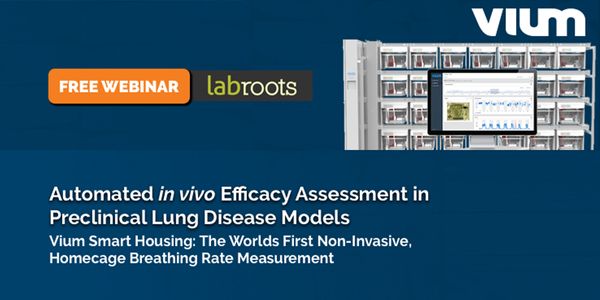
Treatments for respiratory diseases represent an enormous, unmet medical need with limited therapies currently approved for use. Despite many compounds demonstrating beneficial effects in ani...
Crohn’s disease and ulcerative colitis also known as inflammatory bowel diseases or IBD, are characterized by chronic, recurrent inflammation of the gastrointestinal tract, which result...
Rare disease affects 30 million people in the United States, with nearly 50% of cases affecting children. Because nearly 80% of rare diseases are genetic, advancements in genomic testing are...
Regulation of precision medicine is rapidly evolving. The pre-existing regulatory framework did not contemplate many of the products and technologies which are becoming available with p...
Recent advancements in the precision medicine field have presented a great promise to provide innovative solutions to pharmaceutical and healthcare industry to help transform medicine. By fin...
When the human genome was sequenced almost 15 years ago, it was a milestone for the understanding of an individual’s genome. However to fully understand a disease, millions of ind...
DATE: June 20, 2018TIME: 07:00AM PDT, 10:00AM EDTIntroducing GE’s New Lyo-StableTM service. Sepsis is one of the top challenges facing hospitals in terms of clinical outcomes...
DATE: June 7, 2018TIME: 07:00AM PDT, 4:00PM CESTIn this webinar, Prof. Greetje Vande Velde will give an overview of her work, which involves lung and brain infections. Dr Vande Ve...
I will discuss three novel technologies that our laboratory has developed in recent years. In the first part of the talk, I will describe our work on engineering variants of the RNA-guided en...
Over the years high throughput screening has evolved from monolithic static systems to modular more dynamic platforms. At NCATS the approach taken has been to optimize our existing lega...
NSD2 catalyzes the mono- and di-methylation of the e-amine of lysine 36 from histone H3, utilizing the methyl donor S-adenosyl-L-methionine. Increased catalytic activity of NSD2, either by ov...
The pharmaceutical industry’s productivity crisis is well known with >90% of drug candidates failing in clinical testing, primarily due to unexpected toxicity or lack of efficacy. &n...
DATE: May 22, 2018TIME: 08:00AM PDT The nuclear receptors pregnane X receptor (PXR) and constitutive androstane receptor (CAR) are closely related transcription factors that...
Many research laboratories use the ExpiCHO Expression System to transiently produce candidate biomolecules for biologics development. However, after the lead candidate is found, a stable cell...
As the costs of genomic analysis decline it becomes possible to offer widescale population genomic analysis to screen for genetic disorders. The Alabama Genomic Health Initiative was es...
Cell line screening studies require highly efficient protocols for studying many samples in parallel. We have developed a lyse-and-go protocol for digital gene expression profiling of u...
Structural variants (SVs), defined as rearrangements of genomic sequences, are both a major source of genetic diversity in human populations and are also directly responsible for the pathogen...
Triple-negative breast cancer (TNBC) has poor prognosis with frequent relapses and deaths using current standard of care treatments. Metabolic reprograming is now recognized as a fundam...
The All of Us Research Program is a historic effort to gather data from one million or more people living in the United States to accelerate research and improve health. By taking into accoun...
We introduce a differential abundance analysis method for the analysis of sparse high-throughput data from large-scale surveys of marker genes for microbial communities. Our approach relies o...
There is increasing evidence that intracellular miRNAs play a role in the pathogenesis of many complex disease phenotypes. In addition, extracellular miRNAs in exosomes are emerging as...
The Type 2 Diabetes Knowledge Portal is an open-access resource for human genetic information on type 2 diabetes (T2D). It is a central repository for data from large genomic studies that ide...
In this presentation I will describe results from a family study designed to identify the genetic cause for familial clustering of several early onset cancers. Data from next generatio...
Complex disease phenotypes - obesity, type II diabetes, and cancer challenge simple models in both evolution and biology. Examination of molecular networks and their dynamic behavior o...
Treatments for respiratory diseases represent an enormous, unmet medical need with limited therapies currently approved for use. Despite many compounds demonstrating beneficial effects in ani...
Crohn’s disease and ulcerative colitis also known as inflammatory bowel diseases or IBD, are characterized by chronic, recurrent inflammation of the gastrointestinal tract, which result...
Rare disease affects 30 million people in the United States, with nearly 50% of cases affecting children. Because nearly 80% of rare diseases are genetic, advancements in genomic testing are...
Regulation of precision medicine is rapidly evolving. The pre-existing regulatory framework did not contemplate many of the products and technologies which are becoming available with p...
Recent advancements in the precision medicine field have presented a great promise to provide innovative solutions to pharmaceutical and healthcare industry to help transform medicine. By fin...
When the human genome was sequenced almost 15 years ago, it was a milestone for the understanding of an individual’s genome. However to fully understand a disease, millions of ind...
DATE: June 20, 2018TIME: 07:00AM PDT, 10:00AM EDTIntroducing GE’s New Lyo-StableTM service. Sepsis is one of the top challenges facing hospitals in terms of clinical outcomes...
DATE: June 7, 2018TIME: 07:00AM PDT, 4:00PM CESTIn this webinar, Prof. Greetje Vande Velde will give an overview of her work, which involves lung and brain infections. Dr Vande Ve...
I will discuss three novel technologies that our laboratory has developed in recent years. In the first part of the talk, I will describe our work on engineering variants of the RNA-guided en...
Over the years high throughput screening has evolved from monolithic static systems to modular more dynamic platforms. At NCATS the approach taken has been to optimize our existing lega...
NSD2 catalyzes the mono- and di-methylation of the e-amine of lysine 36 from histone H3, utilizing the methyl donor S-adenosyl-L-methionine. Increased catalytic activity of NSD2, either by ov...
The pharmaceutical industry’s productivity crisis is well known with >90% of drug candidates failing in clinical testing, primarily due to unexpected toxicity or lack of efficacy. &n...
DATE: May 22, 2018TIME: 08:00AM PDT The nuclear receptors pregnane X receptor (PXR) and constitutive androstane receptor (CAR) are closely related transcription factors that...
Many research laboratories use the ExpiCHO Expression System to transiently produce candidate biomolecules for biologics development. However, after the lead candidate is found, a stable cell...
As the costs of genomic analysis decline it becomes possible to offer widescale population genomic analysis to screen for genetic disorders. The Alabama Genomic Health Initiative was es...
Cell line screening studies require highly efficient protocols for studying many samples in parallel. We have developed a lyse-and-go protocol for digital gene expression profiling of u...
Structural variants (SVs), defined as rearrangements of genomic sequences, are both a major source of genetic diversity in human populations and are also directly responsible for the pathogen...
Triple-negative breast cancer (TNBC) has poor prognosis with frequent relapses and deaths using current standard of care treatments. Metabolic reprograming is now recognized as a fundam...
The All of Us Research Program is a historic effort to gather data from one million or more people living in the United States to accelerate research and improve health. By taking into accoun...
We introduce a differential abundance analysis method for the analysis of sparse high-throughput data from large-scale surveys of marker genes for microbial communities. Our approach relies o...
There is increasing evidence that intracellular miRNAs play a role in the pathogenesis of many complex disease phenotypes. In addition, extracellular miRNAs in exosomes are emerging as...
The Type 2 Diabetes Knowledge Portal is an open-access resource for human genetic information on type 2 diabetes (T2D). It is a central repository for data from large genomic studies that ide...
In this presentation I will describe results from a family study designed to identify the genetic cause for familial clustering of several early onset cancers. Data from next generatio...
Complex disease phenotypes - obesity, type II diabetes, and cancer challenge simple models in both evolution and biology. Examination of molecular networks and their dynamic behavior o...

 Follow