 Follow
Medical Laboratory
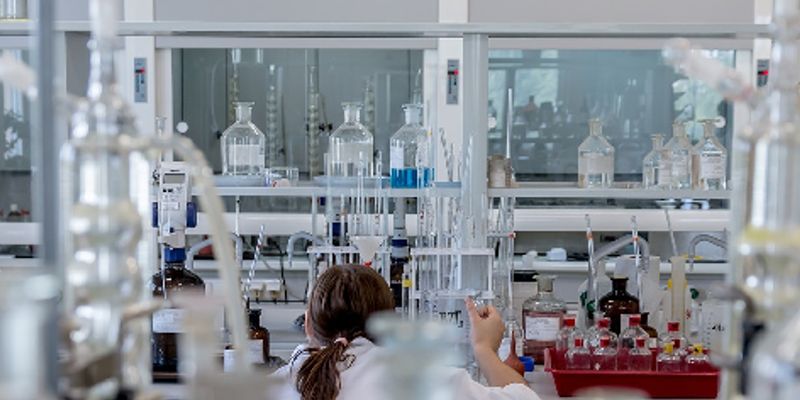
A medical laboratory (also known as clinical laboratory) is a laboratory where tests are done on clinical specimens with the purpose of getting information about a patients health in order to treat, diagnose and/or prevent disease. Medical laboratories often staff the following: Phlebotomists, Pathologists, Pathologists's assistants, Medical laboratory scientists, Medical laboratory assistants, Medical laboratory technicians, and Clinical biochemists, just to name a few.

JAN 01, 2020 | 6:00 AM

Microphysiological systems (MPS), also known as organ-on-chips, are small scale in vitro cell cultures which mimic facets of tissue or organ level function. MPS frequently utilise primary hu...
JAN 01, 2020 | 6:00 AM

The study of biological function in intact organisms and the development of targeted cellular therapeutics necessitate methods to image and control cellular function in vivo. Technologies su...
JAN 01, 2020 | 6:00 AM

The dopamine D4 receptor (D4R) is enriched in the prefrontal cortex where it plays important roles in cognition, attention, decision making and executive function. Novel D4R-selective ligand...
JAN 01, 2020 | 6:00 AM

Normal behavior in any moving animal, including humans, relies on communication between motor systems that control movements, and the sensory systems we use to guide these actions. A critica...
JAN 01, 2020 | 6:00 AM

The aim of the lecture is to give an insight into the use of 3D liver micro tissues (3D liMTs) in drug discovery and translational safety. In translational toxicology, 3D LiMTs have a high i...
JAN 01, 2020 | 6:00 AM

The OrganoPlate is a microtiterplate based Organ-on-a-Chip platform for high throughput drug safety and efficacy screening. It contains up to 96 cell culture chambers that allow co-culture o...
JAN 01, 2020 | 6:00 AM

The liver plays a critical role in the metabolism and clearance of more than 70% of marketed drugs. Furthermore, toxicity to the liver is a major reason for preclinical and clinical drug fai...