 Follow
Medicine
Medicine: the science or practice of the diagnosis, treatment, and prevention of disease (in technical use often taken to exclude surgery).

NOV 15, 2018 | 8:00 AM

CRISPR ribonucleoproteins (RNPs) can generate programmable gene edits, however imprecise editing and efficient delivery to human stem cells are key challenges. Here we describe novel biochemi...
NOV 15, 2018 | 7:30 AM

Point-of-care testing (POCT) allows for prompt clinical interventions by returning fast and reliable results near patients. This important role in patient management has led to the widespread...
NOV 15, 2018 | 6:00 AM

This presentation will review the scope and history of the chronic pain and opioid epidemic in the US. It will then discuss how chronic pain and opioid use is being dealt with in commun...
NOV 15, 2018 | 6:00 AM
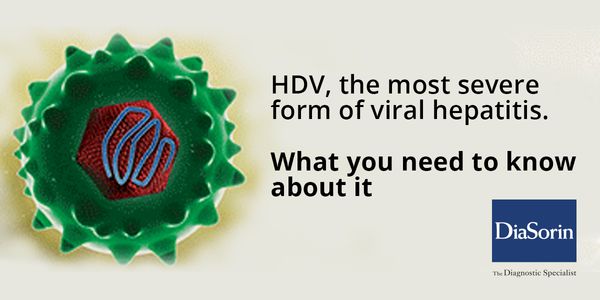
DATE: November 15,2018TIME: 06:00am PST, 09:00am EST, 3:00pm CET Hepatitis D virus (HDV) is a unique RNA virus that requires the hepatitis B surface antigen (HBsAg) to...
NOV 14, 2018 | 3:00 PM

Neuronal migration defects, including pachygyria, are among the most severe developmental brain defects in humans. Using human genetics approaches, we recently identified bi-allelic truncatin...
NOV 14, 2018 | 1:30 PM

Second and third generations of PTH immunoassays currently available on the market demonstrate significant variability with up to 4.2 fold difference in measurements depending on the method u...
NOV 14, 2018 | 12:00 PM

As the compendium of putatively disease causing variants expands, gathering the most current and accurate information is critical to computing variant classifications. The QIAGEN knowledgebas...
NOV 14, 2018 | 10:30 AM

Decades of innovation have brought us into a new era of mass spectrometry with the design of Agilent’s revolutionary Triple Quadrupole LC/MS. Ultivo is packed full of the same power and...
NOV 14, 2018 | 9:00 AM

With significant decrease in the cost of sequencing in numerous commercial as well as cancer center–driven initiatives, genomic profiling is increasingly becoming routine across multipl...
NOV 14, 2018 | 8:00 AM
DATE: November 14, 2018TIME: 08:00am PST, 11:00am EST International Genetics & Translational Research in Transplantation Network (iGeneTRAIN) has recently generated genome...
NOV 14, 2018 | 7:30 AM

As the diagnostic test menu has increased in size and complexity, healthcare providers are in great need of advice on appropriate test selection and result interpretation. To address this nee...