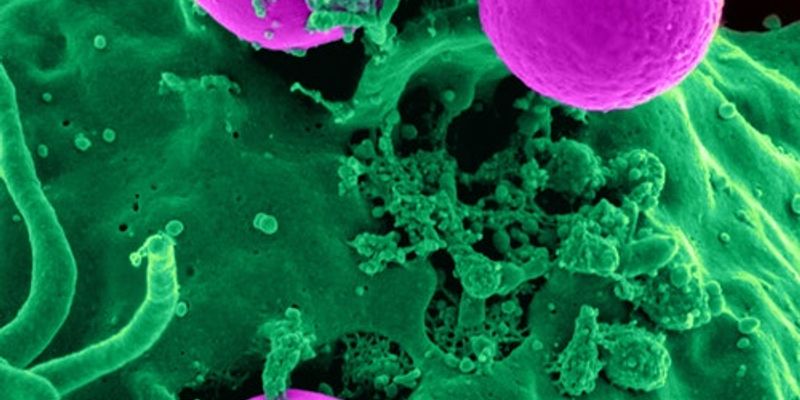
Stem Cells: are cells with the potential to develop into many different types of cells in the body. They serve as a repair system for the body. There are two main types of stem cells: embryonic stem cells and adult stem cells.
Delicate cultures including stem cells and primary cells are increasingly used in cell therapy research and development for applications in oncology, immunology, neurology and more. Commonly,...
With the advent of cost effective culturing approaches, 3D cell culture models (3D-CCMs) have been rapidly adopted for drug discovery since they provide a more physiologically relevant micro-...
Induced pluripotent stem (iPS) cells are a promising source of personalized therapy. These cells can provide immune-compatible autologous replacement tissue for the treatment of potentially a...
DATE: July 19, 2018TIME: 09:00am PDT Pancreatic ductal adenocarcinoma (PDAC) is a deadly disease with a 5 year-survival rate of approximately 6%. Despite recent...
Our Imaging and Cytometry Core Lab is in the Bioscience Technology Facility that serves a multidisciplinary Department of Biology as well as external users through our open access approach.&n...
There is robust evidence supporting strong association with CYP450 (Phase 1) enzymes and influence on drug levels (affecting response & side effects in many cases) with many psychotropic...
Advances in DNA sequencing, based upon massively parallel sequencing, has resulted in dramatic advances in DNA sequence output in the past few years. It is now possible to generate terrabases...
The introduction of targeted therapies into the clinical management of lung adenocarcinoma has had a massive impact on patient care. Multiple driver mutations are now druggable and treatments...
Finding effective treatments for cancer is fundamentally a high-dimensional probabilistic planning, search, and optimization problem, characterized by thousands of molecular subty...
Crohn’s disease and ulcerative colitis also known as inflammatory bowel diseases or IBD, are characterized by chronic, recurrent inflammation of the gastrointestinal tract, which result...
Rare disease affects 30 million people in the United States, with nearly 50% of cases affecting children. Because nearly 80% of rare diseases are genetic, advancements in genomic testing are...
Regulation of precision medicine is rapidly evolving. The pre-existing regulatory framework did not contemplate many of the products and technologies which are becoming available with p...
Recent advancements in the precision medicine field have presented a great promise to provide innovative solutions to pharmaceutical and healthcare industry to help transform medicine. By fin...
The therapeutic applications of medical cannabis and cannabinoid drugs is controversial, however the number of medical conditions in which cannabinoids and cannabis have shown promise as ther...
With nearly 9 million covered lives serviced through over 150 medical centers, the VA is one of the largest, unified Healthcare System within the United States. Embedded within this system is...
With prospective clinical sequencing of tumors emerging as a mainstay in cancer care, there is an urgent need for clinical support tools that aid clinicians in their decision making. To this...
When the human genome was sequenced almost 15 years ago, it was a milestone for the understanding of an individual’s genome. However to fully understand a disease, millions of ind...
Precision medicine based on molecular profiling is moving from the realm of clinical utility studies towards standard of care. There remain, however, significant technological and implementat...
Precision medicine and next-generation sequencing – Two terms characterized by a highly dynamic nature, strong innovations and a bright future. Both merged together will exert a decisiv...
Thermo Fisher Scientific has developed an advanced assay to qualify FBS for use with ESCs. This assay is designed to sustain undifferentiated ES cells while maintaining karyotype integr...
There is increasing evidence that intracellular miRNAs play a role in the pathogenesis of many complex disease phenotypes. In addition, extracellular miRNAs in exosomes are emerging as...
Tumors are often categorized into standard molecular subtypes. However, largescale studies have demonstrated that patient heterogeneity in the regulatory make-up of tumors remain. At the tran...
Mesenchymal stem cell (MSC)-derived exosomes mediate tissue regeneration in a variety of diseases including ischemic heart injury, liver fibrosis, and cerebrovascular disease. Despite an incr...
Delicate cultures including stem cells and primary cells are increasingly used in cell therapy research and development for applications in oncology, immunology, neurology and more. Commonly,...
With the advent of cost effective culturing approaches, 3D cell culture models (3D-CCMs) have been rapidly adopted for drug discovery since they provide a more physiologically relevant micro-...
Induced pluripotent stem (iPS) cells are a promising source of personalized therapy. These cells can provide immune-compatible autologous replacement tissue for the treatment of potentially a...
DATE: July 19, 2018TIME: 09:00am PDT Pancreatic ductal adenocarcinoma (PDAC) is a deadly disease with a 5 year-survival rate of approximately 6%. Despite recent...
Our Imaging and Cytometry Core Lab is in the Bioscience Technology Facility that serves a multidisciplinary Department of Biology as well as external users through our open access approach.&n...
There is robust evidence supporting strong association with CYP450 (Phase 1) enzymes and influence on drug levels (affecting response & side effects in many cases) with many psychotropic...
Advances in DNA sequencing, based upon massively parallel sequencing, has resulted in dramatic advances in DNA sequence output in the past few years. It is now possible to generate terrabases...
The introduction of targeted therapies into the clinical management of lung adenocarcinoma has had a massive impact on patient care. Multiple driver mutations are now druggable and treatments...
Finding effective treatments for cancer is fundamentally a high-dimensional probabilistic planning, search, and optimization problem, characterized by thousands of molecular subty...
Crohn’s disease and ulcerative colitis also known as inflammatory bowel diseases or IBD, are characterized by chronic, recurrent inflammation of the gastrointestinal tract, which result...
Rare disease affects 30 million people in the United States, with nearly 50% of cases affecting children. Because nearly 80% of rare diseases are genetic, advancements in genomic testing are...
Regulation of precision medicine is rapidly evolving. The pre-existing regulatory framework did not contemplate many of the products and technologies which are becoming available with p...
Recent advancements in the precision medicine field have presented a great promise to provide innovative solutions to pharmaceutical and healthcare industry to help transform medicine. By fin...
The therapeutic applications of medical cannabis and cannabinoid drugs is controversial, however the number of medical conditions in which cannabinoids and cannabis have shown promise as ther...
With nearly 9 million covered lives serviced through over 150 medical centers, the VA is one of the largest, unified Healthcare System within the United States. Embedded within this system is...
With prospective clinical sequencing of tumors emerging as a mainstay in cancer care, there is an urgent need for clinical support tools that aid clinicians in their decision making. To this...
When the human genome was sequenced almost 15 years ago, it was a milestone for the understanding of an individual’s genome. However to fully understand a disease, millions of ind...
Precision medicine based on molecular profiling is moving from the realm of clinical utility studies towards standard of care. There remain, however, significant technological and implementat...
Precision medicine and next-generation sequencing – Two terms characterized by a highly dynamic nature, strong innovations and a bright future. Both merged together will exert a decisiv...
Thermo Fisher Scientific has developed an advanced assay to qualify FBS for use with ESCs. This assay is designed to sustain undifferentiated ES cells while maintaining karyotype integr...
There is increasing evidence that intracellular miRNAs play a role in the pathogenesis of many complex disease phenotypes. In addition, extracellular miRNAs in exosomes are emerging as...
Tumors are often categorized into standard molecular subtypes. However, largescale studies have demonstrated that patient heterogeneity in the regulatory make-up of tumors remain. At the tran...
Mesenchymal stem cell (MSC)-derived exosomes mediate tissue regeneration in a variety of diseases including ischemic heart injury, liver fibrosis, and cerebrovascular disease. Despite an incr...
 Follow