 Follow
Cell Culture
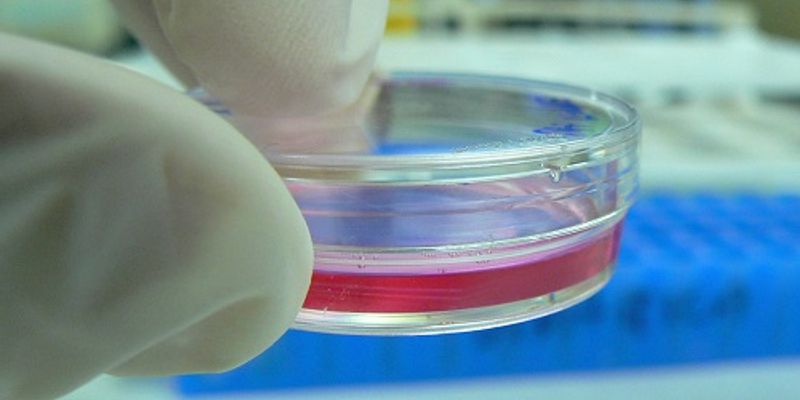
Cell Culture: the process by which cells are grown under controlled conditions, generally outside of their natural environment. Cell culture conditions can vary for each cell type, but artificial environments consist of a suitable vessel with substrate or medium that supplies the essential nutrients (amino acids, carbohydrates, vitamins, minerals), growth factors, hormones, and gases (CO2, O2), and regulates the physio-chemical environment.

JUN 05, 2018 | 6:30 AM

DATE: June 5, 2018TIME: 06:30AM PDT, 3:30PM CEST Viscous liquids are a challenge in every lab that deals with them. Depending on how viscous a liquid is, pipetting is either...
MAY 31, 2018 | 1:30 PM

The miniaturized total chemical analysis system has been successfully repurposed over the past twenty years or so for engineering cellular microenvironments which more faithfully mimic in viv...
MAY 31, 2018 | 10:30 AM

The next step towards more biomimetic in vitro models is the design of multi-organ devices, which allow for communication of different tissue types. Combining physiologically relevant organ m...
MAY 30, 2018 | 7:30 AM

Growing living human cells in vitro for basic research, drug discovery and reparative/regenerative medicine is challenged by the difficulty in developing methods for reproducibly and cost eff...
MAY 24, 2018 | 9:30 AM

DATE: May 24, 2018 TIME: 9:30PM PDT The current gold standard in in vitro pre-clinical cancer treatment screening remain cell lines,...
MAY 17, 2018 | 7:00 AM

The Baculovirus Expression Vector System (BEVS) is one of the major platforms for recombinant protein production. Unlike mammalian expression systems that have long since transitioned to seru...
MAY 17, 2018 | 6:00 AM

The ExpiCHO and Expi293 transient expression systems offer all-in-one solutions for generating high-titer recombinant proteins for a broad range of research applications including candidate d...
MAY 17, 2018 | 5:00 AM

Many research laboratories use the ExpiCHO Expression System to transiently produce candidate biomolecules for biologics development. However, after the lead candidate is found, a stable cell...
MAY 16, 2018 | 11:00 PM

摘要杆状病毒表达载体系统(BEVS)是重组蛋白生产的主要平台之一。与哺乳动物表达系统早已转换为无血清,化学成分限定的培养基不同,昆虫表达系统的创新相对较少。昆虫细胞继续依赖成分不限定的含酵母提取物的培养基,而这些培养基可以显示出明显的细胞生长和蛋白质表达的批次差异。在这里,我们介绍一种新型的Sf9细胞杆状病毒表达系统的开发。此系统包括支持高细胞密度、化学成分限定的培养基,...