 Follow
Animals
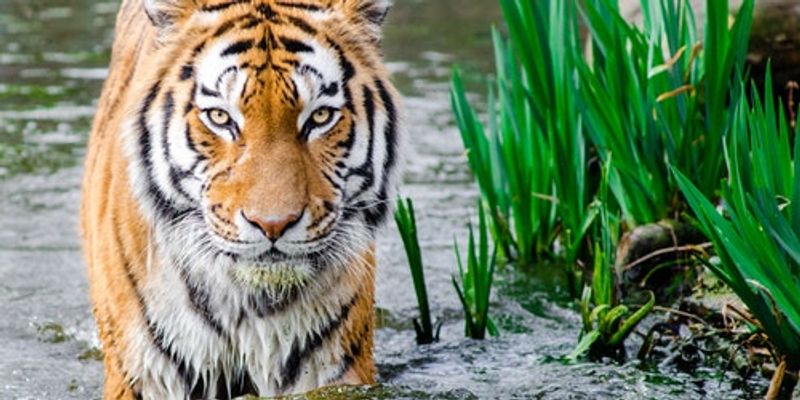
Animals: are multicellular organisms that form the biological kingdom Animalia. With few exceptions, animals consume organic material, breathe oxygen, are able to move, can reproduce sexually, and grow from a hollow sphere of cells, the blastula, during embryonic development.

OCT 10, 2018 | 9:00 AM

In prior work, we have pursued how tumor reactive monoclonal antibody (mAb), together with activators of innate immune cells, like NK cells, can augment antibody dependent cell-mediated cytot...
OCT 10, 2018 | 7:30 AM

Molecular analyses of cancer biology have tended to segregate between a focus on nucleic acids – DNA, RNA and their modifications – and a focus on proteins and protein function. P...
OCT 10, 2018 | 6:00 AM

Understanding the immune repertoire is an important aspect of immuno-oncology research, which can be used to gather insights into the function and overall status of the immune system. We have...
OCT 03, 2018 | 12:00 PM

Decoding human genetic disease allows us to develop models of the pathology that can be directly tested with gene correction or targeted drug therapy. Dominant negative mutations are pa...
OCT 03, 2018 | 10:30 AM

There have been an increasing number of successful human gene therapy clinical trials, and in particular gene delivery vehicles or vectors based on the adeno-associated virus (AAV) have enabl...
SEP 26, 2018 | 1:30 PM

When looking to answer complex biological questions, using in vitro techniques, you want the model that best reflects the in vivo condition. For decades two-dimensional cell culture has...
SEP 26, 2018 | 9:00 AM
DATE: September 26, 2018TIME: 9:00AM PDTClass II biosafety cabinets (BSCs) are important tools in many types of laboratories. In this webinar you will learn about the different t...
SEP 20, 2018 | 8:00 AM
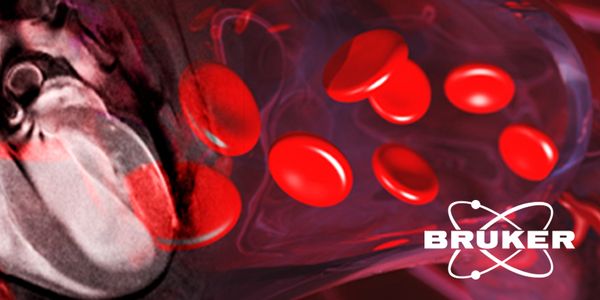
DATE: September 20 2018TIME: 11:00am EDT, 5:00pm CEST Cardiovascular disease due to atherosclerosis is the leading cause of disease and mortality worldwide. So-call...
SEP 20, 2018 | 1:00 AM
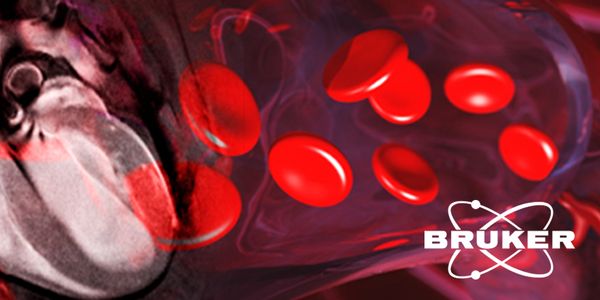
DATE: September 20, 2018TIME: 10:00am CEST, 4:00pm CST Cardiovascular disease due to atherosclerosis is the leading cause of disease and mortality worldwide. So-called “...
SEP 13, 2018 | 10:30 AM

The bacterium Pantoea stewartii subsp. stewartii causes Stewart’s wilt disease in corn and serves as a model for other xylem-dwelling phytopathogens. P. stewartii is transmitted to plan...